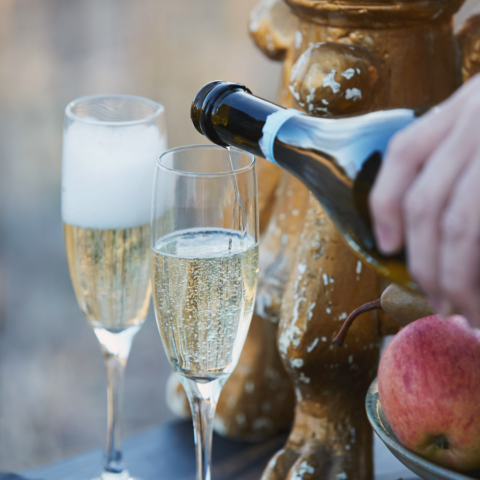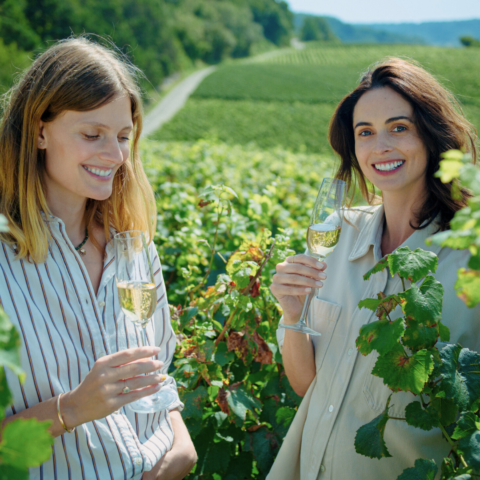
When I was a boy, bitters meant Angostura. The small, mysterious bottle stood at the back of the drinks cupboard, to be used once a year at Christmastime. My father would shake three or four drops onto a sugar cube in the bottom of a flute and then add a splash of Cognac and a lot of Champagne— cocktails for the grown-ups. I swear that same bottle lasted my entire childhood.
He once let me taste Angostura. It was acrid and hot on my tongue, as bitter as medicine. This isn’t surprising, as it was invented in Venezuela in 1824 as a cure for gastric complaints. It’s a concentrated tincture of tropical plants in strong alcohol. Its miraculous power to bring cocktails to life was only discovered later— an entirely unforeseen bonus. Angostura did not stand alone.
Cocktail books written before the 1920’s mention scores of different brand names and flavours, each meant to add balance and complexity to a drink. Very few survived the dry years of Prohibition, and bartenders turned to other ingredients.
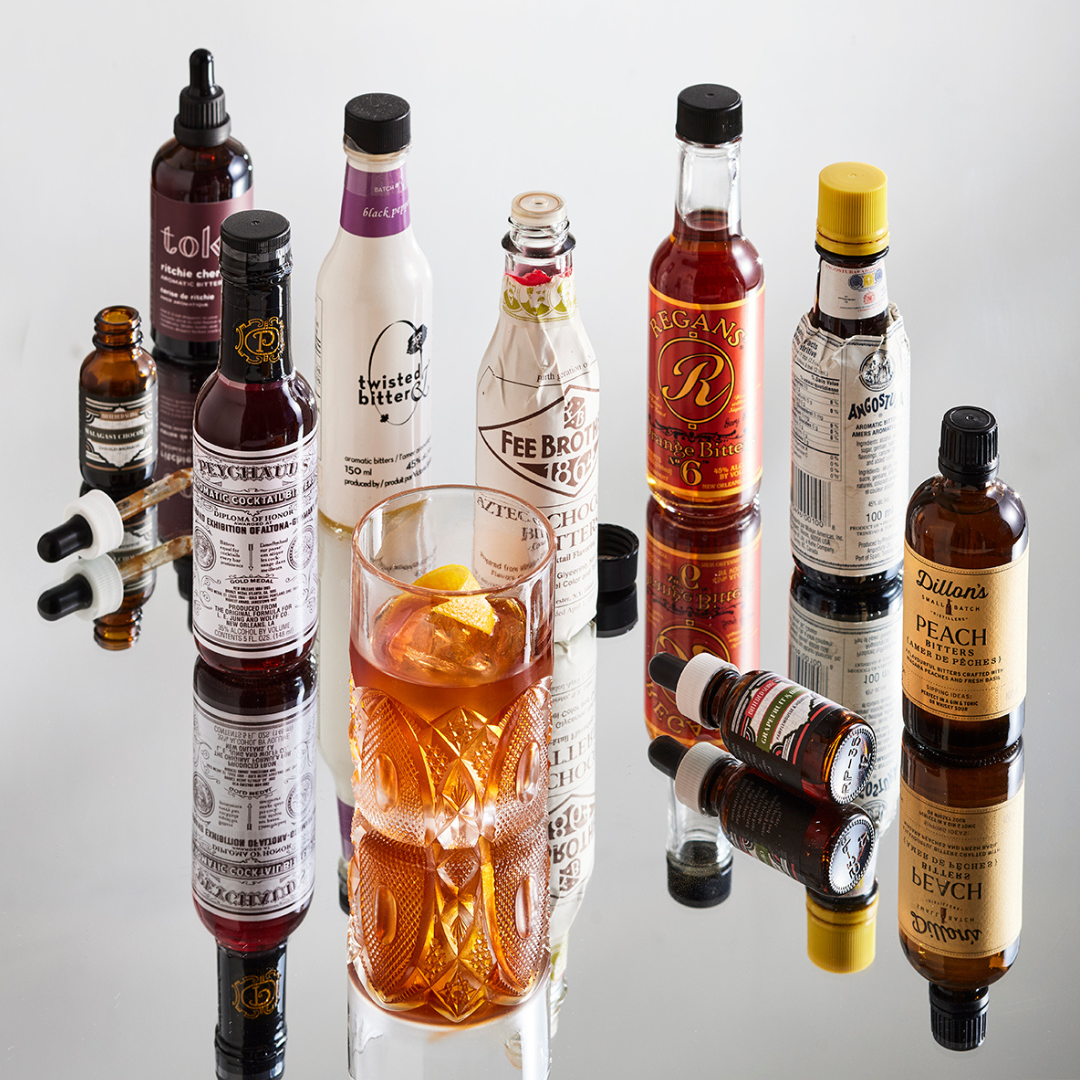
By the time I began writing about drinks in the ’90s, Angostura, with its clove and cinnamon top notes, was still the only bitters I ever saw on the rail in Canadian and British bars. Down south, I found Peychaud’s Aromatic Cocktail Bitters (the soul of a Sazerac) in New Orleans. In upstate New York, I found Fee Brothers West Indian Orange Bitters, but that was it. Then, bang! Bitters were suddenly back.
The great comeback
It was all part of the great cocktail revival that started about 12 years ago. First, a new generation of bartenders, bored of Cosmopolitans, started to resurrect classic concoctions. Soon, they were inventing wonderful drinks of their own. Every serious mixologist had batches of signature bitters on the go.
Mason jars filled with spices and herbs, fruits and bitter botanicals macerating in alcohol, to be heated and repeatedly strained. The process would be familiar to the ninth-century Arab alchemists who developed distillation and to the medieval monks and apothecaries with their medicinal herbal infusions.
How bitters are used at Dillon’s Small Batch Distillers
In 2012, down in Niagara, Ont., 26-year-old Geoff Dillon opened one of Ontario’s first craft distilleries. The shelves in the tasting room of Dillon’s Small Batch Distillers were initially stocked with a gin and a vodka made from local grape spirit, an unaged rye whisky and six kinds of bitters.
“They were my dad’s idea,” he says. “He’s a professor of biogeochemistry, and he’s obsessed with bitters. The problem was that none of our walk-in customers knew what bitters were. We spent the first five years explaining that they are the salt and pepper of cocktails.”
Seasoning is one way to think about bitters: They balance other ingredients. In Dillon’s excellent bottled Manhattan, for example, a dash of his Aromatic Bitters subtly counters the sweetness of the vermouth and simultaneously tames the spiciness of the rye.
What about their own taste? Dillon spritzes a tiny amount onto the back of my hand as if it were a cologne. “That’s the best way to experience it,” he explains. “Or add a few dashes to soda water.” Clove, vanilla and sour cherry stand out against a complex background of spice. The aroma reminds me of Christmas cake.
The start of one Edmonton-based cocktail bitters company
Bartenders were among Dillon’s earliest customers. For Keenan Pascal of Token Bitters in Edmonton, they helped create his brand. Pascal was a banker, moonlighting at a bar, when he and a friend decided to try making their own bitters “with a slow cooker and some Everclear neutral spirit in [his] garage,” he says.
“It was 2016, and we’d try making whatever a bartender asked for— just giving them away at cocktail competitions. Soon people were asking for Token Bitters by name, and within a year we were the biggest bitters company in Alberta and exporting to Japan.”
Today, Token comes in flavours like orange, cherry, lavender and chai. They also create two or three other seasonal varieties; last summer it was a walnut and a jalapeno. “People use them in traditional cocktails,” says Pascal, “but they also add sophistication to mocktails, and you can cook with them. A friend uses our orange bitters in his barbecued-chicken recipe.”
It doesn’t stop with sauce. Angostura, for example, is now manufactured in Trinidad and Tobago, and cooks there use them in a huge range of dishes from soups and stews to cookies and cakes. They add to a recipe just what they bring to a cocktail—quietly enhancing and balancing other, more prominent flavours.
How many kinds of cocktail bitters does one need?
Today, anyone who takes cocktails seriously can’t possibly do without bitters. The question then arises: How many kinds do we need? Dillon’s range currently stands at 13, but you can find upwards of 200 on display at cocktail-specialty stores such as Cocktail Emporium in Toronto.
Some enthusiasts— like Pokémon catchers— feel a need to collect them all, but “a handful should cover all your cocktail bases,” says Dillon. “An aromatic, of course, and a citrus— maybe orange, lemon or lime— and then something a little more savoury, like our wormwood. After that, whatever you like.”
Bitters are essential again. They are fun to have around when you feel like personalizing a mixological classic or improvising a new one. A dash or two is all that’s required—the finishing touch that turns a drink into a cocktail. Once you taste the difference, there’s no going back.
Best cocktail bitters to try now
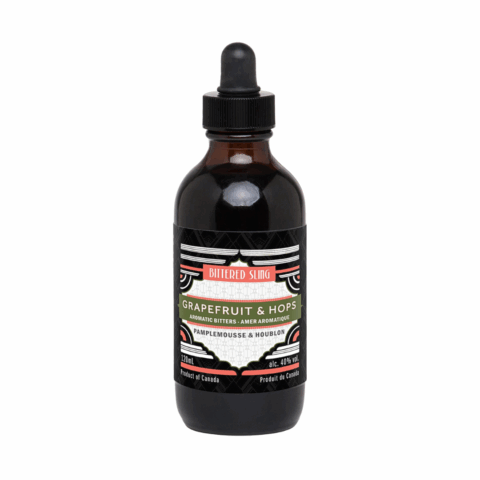
Grapefruit & Hops
Great in a Paloma, a generous dash of this fresh and floral blend also turns a dull ale into something IPA-like.
Price: 28.99shop now
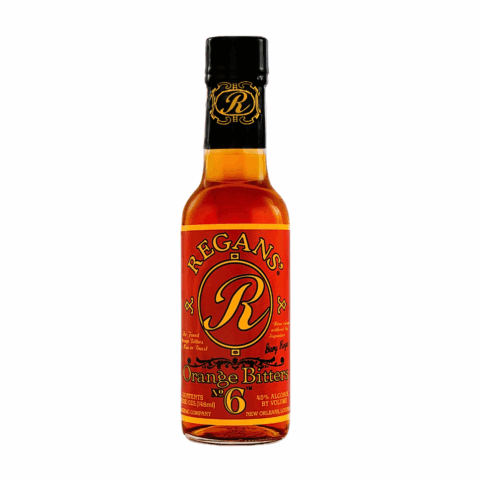
Orange Bitters No. 6
The original Martini required orange bitters. Mixologist Gary Regan created his own cardamom-spiced version on his sixth attempt at developing the recipe.
Price: 17.99shop now
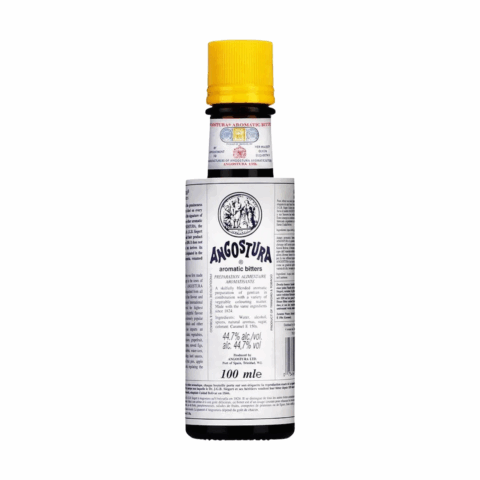
Aromatic Bitters
The classic aromatic bitters. Essential for a Manhattan, Old Fashioned, Champagne Cocktail, etc.
Price: 14.99shop now
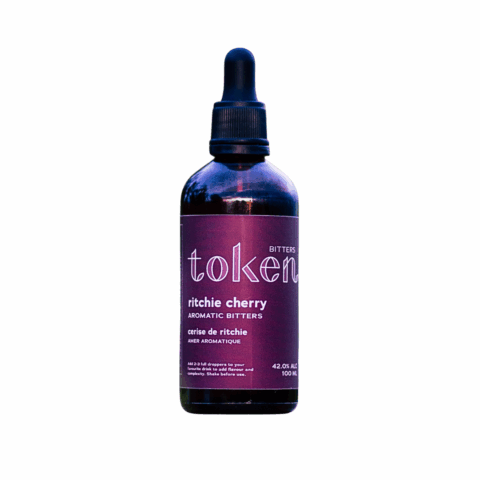
Ritchie Cherry Bitters
The lively, fruity flavour of cherries stands out against a spicy, gentian background. A fine option for a Manhattan.
Price: 23shop now
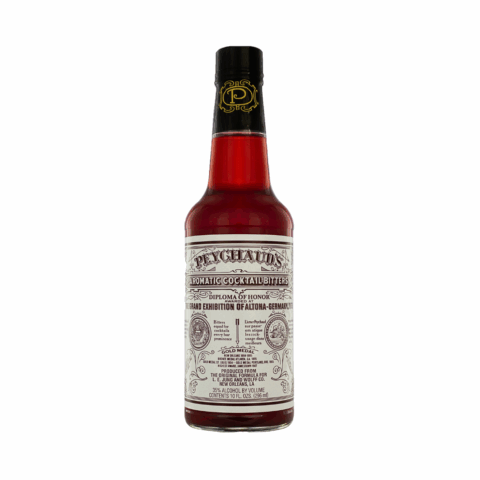
Aromatic Cocktail Bitters
Anise-forward aromatic bitters invented in New Orleans circa the 1830s. Irreplaceable in a Vieux Carré.
Price: 17.99shop now
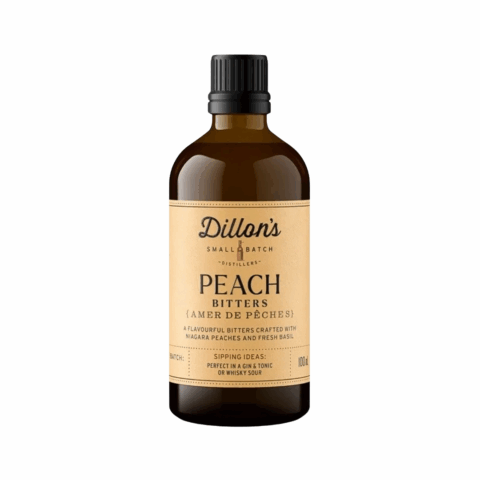
Peach Bitters
The perfume of local Niagara peaches infuses one of Geoff Dillon’s most
popular flavours. Try a dash in a vodka and soda.
shop now
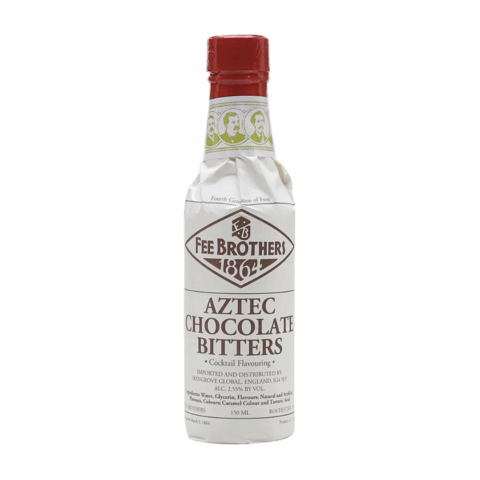
Aztec Chocolate Bitters
Bittersweet cocoa notes with a touch of smoky-chili heat for the kitchen and the bar. No Espresso Martini should be without them.
Price: 16.99shop now