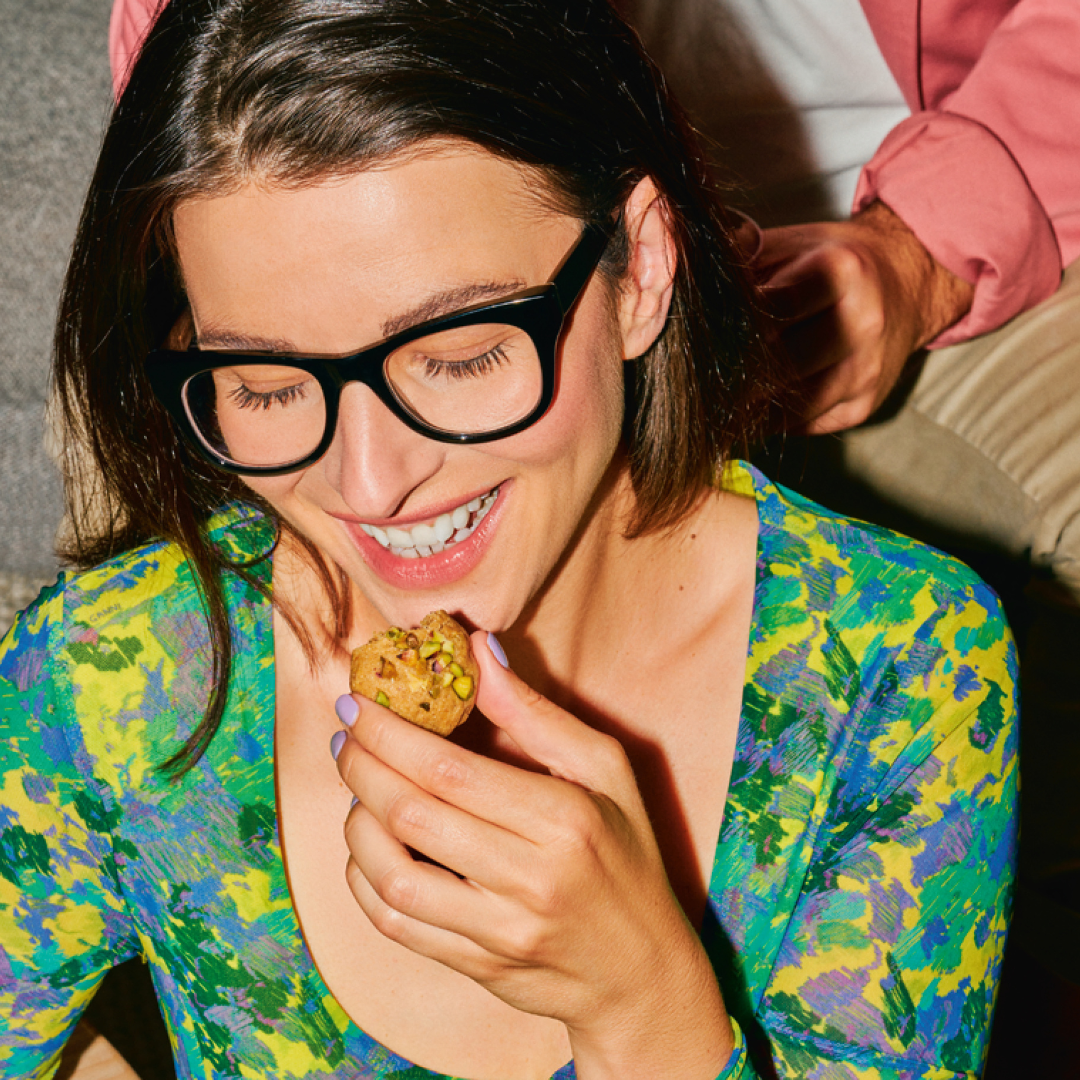
When Desiree Nielsen was a kid, she “could clear half a pack of bacon.” That’s probably not an admission you’d expect to hear from the Vancouver-based registered dietitian and cookbook author. Nielsen has built a career for herself shining a light on gut health and developing craveable vegan recipes. But she actually didn’t start experimenting with vegetarianism until high school.
The reason? She wanted to impress a boy who was vegetarian. As she tells it, that relationship didn’t stick but the plant-forward lifestyle did. However, she held off on going fully-plant-based for decades. That’s because she didn’t want to feel like she was depriving herself of the foods she truly loved—namely, cheese. Then she unlocked a recipe for cashew cream. One that was rich, creamy, bursting with umami and perfect in fettuccine alfredo. She knew there was no going back.
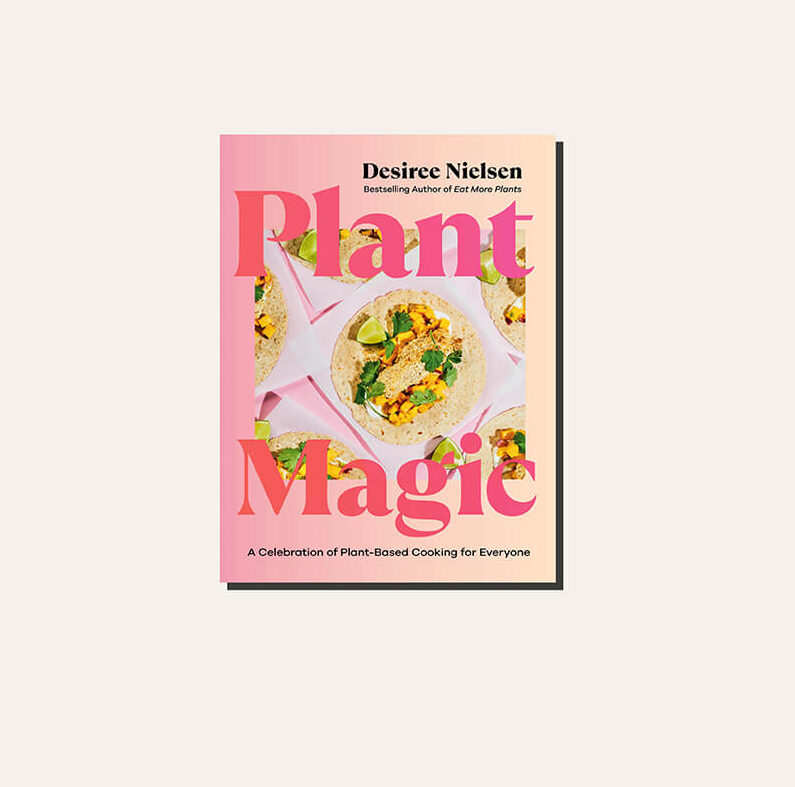
For Nielsen, committing to a plant-based lifestyle was dependent on being able to recreate flavourful versions of her favourite dishes. Ones that made her happy and didn’t make her feel like the OGs were missing. With her third cookbook, Plant Magic: A Celebration of Plant-Based Cooking for Everyone, she hopes to help others make the switch as well.

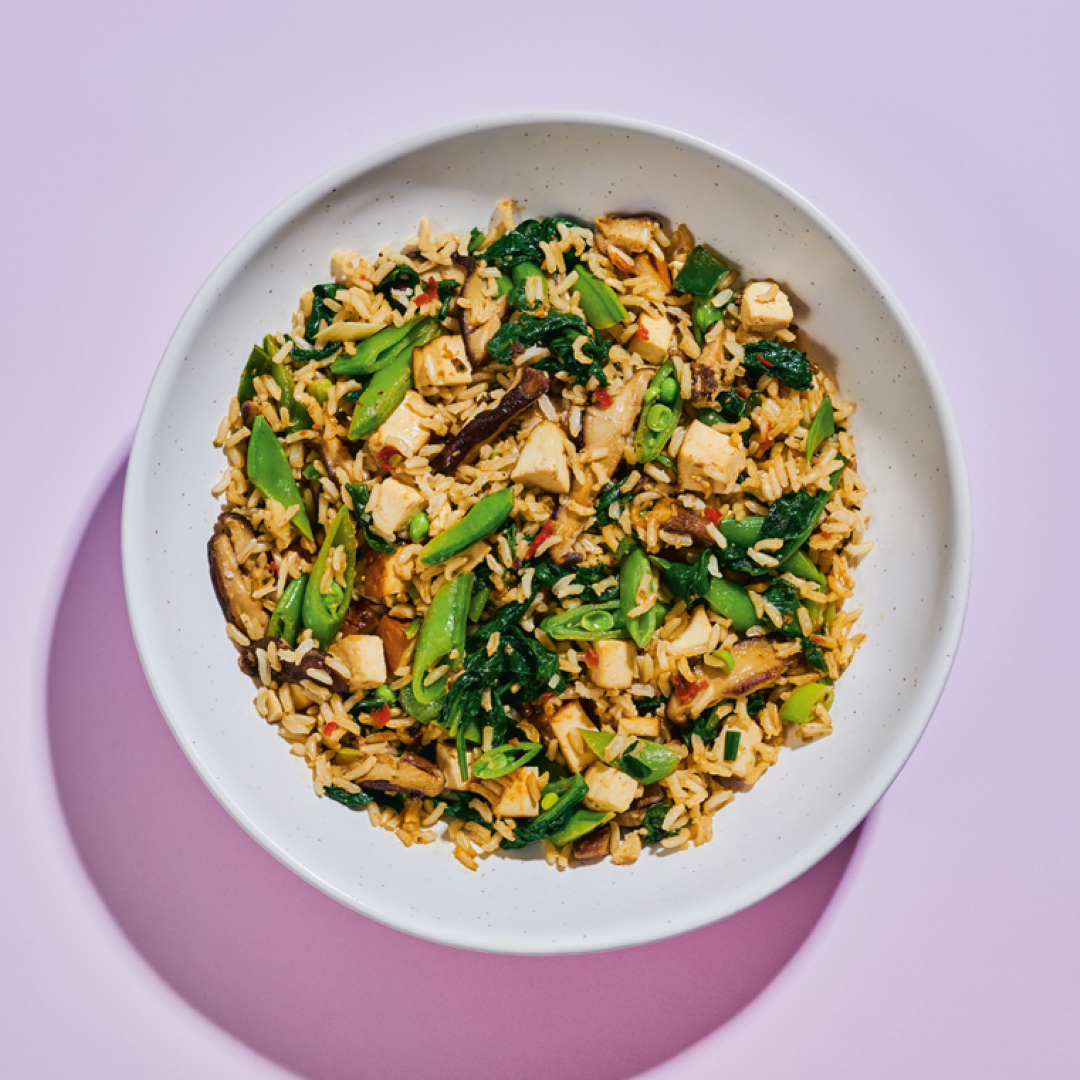
Plant Magic isn’t about pushing vegan eating onto readers. It includes unfussy recipes like Cumin Lime Black Bean Burgers and Shiitake & Smoked Tofu Fried Rice. Rather, it’s about finding a way to make plant-based cooking appealing and approachable. And most importantly, joyful, no matter how many times a week you do it. “We have this idea that eating plant-based looks like one thing, but even the most bacon-burger-loving people are constantly eating fruits and vegetables,” says Nielsen.
“This is not just a cookbook for people who are already vegetarian or vegan—although they’ll find a lot of inspiration here too. It’s to show everybody how plant-based dishes can be integrated into your life and way of eating. You don’t need a label; you just need to put more plants on your plate.”

Q: Plant Magic is quite different from your other books. What was your goal with this one?
Nielsen: Plant Magic [is about] reframing what healthy plant-based eating means to people. As a very online dietitian, my friction point is that so much of healthy-eating and nutrition messaging online is about restriction and deprivation. At what point did we decide that living a healthy life had to be completely joyless? When I make food choices for myself and my family, I think about our health and nutrition, but the number one thing I think about is what would be really delicious to eat.
So [with the book], I wanted to put all these rules and ideas about what healthy eating ‘should’ look like in the background and reconnect with joy, pleasure and flavour. I really wanted it to be a celebration of meals you can look forward to eating and that you’re excited to share with other people. And, absolutely, there are lots of fruits, vegetables, whole grains and legumes, but those ingredients and a delicious meal are not mutually exclusive.
Q: Of course, eating plant-based is something we can all do to live more sustainably. Yet, even though we know that, it still seems hard to do. How can people go from wanting to be more sustainable in the kitchen to actually doing it?
Nielsen: We know that in terms of water, energy and land use, the more we eat simple, plant-based foods, the lighter our footprint on the planet will be. But everybody has to make those choices for themselves. Because of diet culture, [many people] have this sort of all-or-nothing, good-or-bad mindset around food, which leads to feelings of guilt and shame. Those feelings have no place in food. And, ironically, by labelling a food choice “good” or “bad,” we create a trend that leads us down the path of avoidance.
So I want people to know that however they eat [and whatever] choices they make is what works for them right now. And when people do become curious about making a change, the first thing I ask about is their food habits. Then we [can identify] a really small switch. Do you eat a lot of fast food because you’re working two jobs?
Maybe you can go to a place that has a Beyond Burger. [Are you lacking] food knowledge? Okay, what are some of your favourite meals? Can you devote one hour on a weekend to learning how to make it [vegan]? Maybe you could try one [new vegan] recipe every week.
The key is to make small, concrete, sustainable changes. You might get inspired and be like ‘I want to do it all tomorrow,’ not thinking about work, family and all the other things you have to do as opposed to devoting your life to changing your diet in seven days. I recommend that people [take things] on a recipe-by-recipe basis if they really want to go plant-based.
Maybe breakfast is easy to start with because you can switch up your oatmeal or smoothie with a little soy or oat milk instead of cow’s milk. Once it feels like you no longer have to think about it, then you can move on to another meal. When you focus on the food—not what the food means—and the actual habit, it becomes more doable and is healthier for your relationship with food.
Q: In the book, you talk about how plant-based cooking doesn’t have to be expensive, time-consuming or restrictive. Why do so many people assume that’s exactly what eating vegan is?
Nielsen: We tend to equate plant-based eating with the ‘superfood influencers’—the people who are like ‘Here is my $200 smoothie with all these different potions and powders.’ That’s fun if you have the budget for it and like it, but it’s the [first thing] we equate healthy plant-based eating with as opposed to what it truly is: getting back to staple foods—soy, dried legumes, whole grains—that are affordable and that cultures around the world have always subsisted on. These are really simple, basic foods that I want [the book] to make approachable.
Tofu, for example, is a sticking point for a lot of people, especially if you didn’t grow up cooking it and there’s a bit of a knowledge gap. But I often tell clients that tofu is the chicken of the plant world—a basic, plain, neutral staple that takes on the flavour of whatever spices, sauces or condiments you use with it. And you can do so many things with it, like freeze it to get a spongier and denser texture or brine it to make it firmer and more flavourful. You have to create a new palette of basic staples that you can then do so many things with.
The time-consuming part—I mean, chopping veg, particularly, is going to take a little more time in a vegetable-heavy meal. Otherwise, the basic cooking techniques are all the same. If you’re making pasta, you can throw together a cashew alfredo in the blender in four minutes. Simple, everyday plant-based meals don’t have to take that much time. A lot of that misconception, again, comes from how people were introduced to the plant-based world. But I work a full work week and I have two kids who do activities, so I want to make a full meal in 20 to 40 minutes max on a weeknight. I’m not making anything that takes longer than that.
Want to try more of Desiree Nielsen’s vegan recipes? Try making her Spicy Tofu Nuggets with Tahini Ranch, Vegan Tofu Sofrito Bowls and a Kohlrabi Chopped Salad. If you have a sweet tooth, check out her recipe for Vegan Millionaire Shortbread Bars.
If you’re looking for some kitchen inspiration, read Nielsen’s tips for giving a 150 sq. ft. kitchen a makeover on a DIY budget.