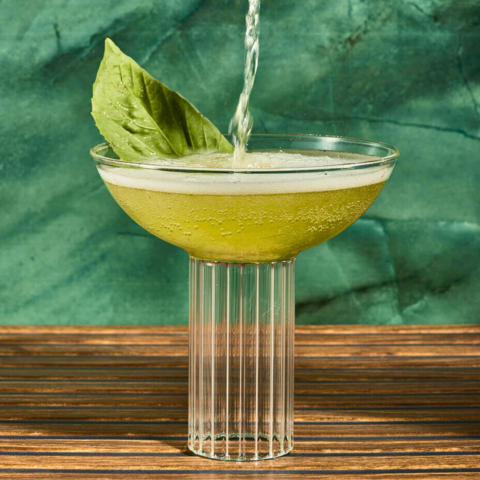
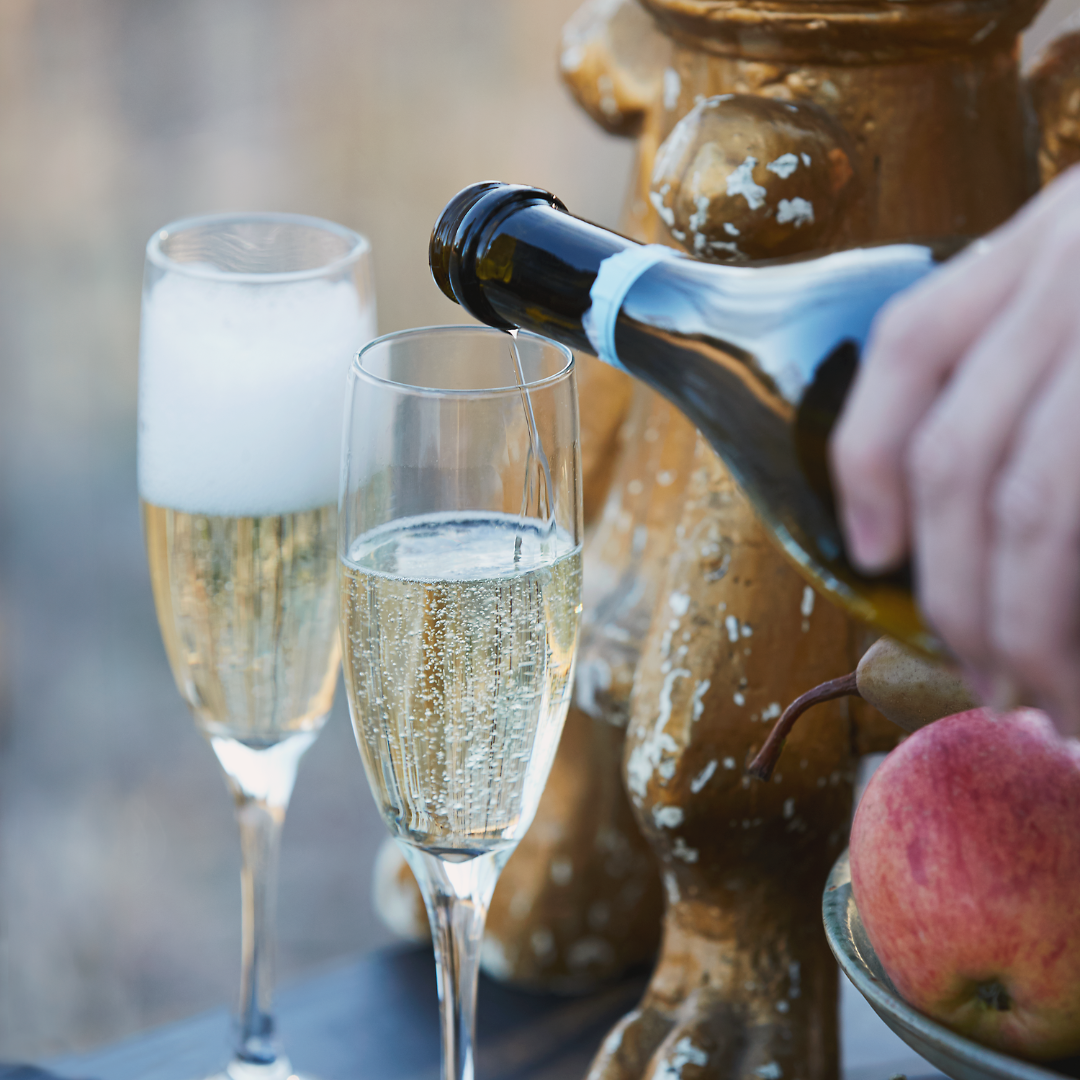
They say you can’t have too much of a good thing, and the fans (and producers) of Prosecco are happy to agree. White or rosé, sweetish or dry— Italy’s carefree bubbly is everywhere. Found in golden bottles and tacky cans. In crystal flutes and plastic poolside tumblers. Poured over ice and into the world’s favourite cocktails.
Price-wise, it shares the bottom rung of the sparkling-wine ladder with Spanish Cava and German Sekt. But in terms of sales, it has left both of them in the dust for decades. Most Prosecco can’t compare with the complexity and sophistication of France’s wonderful Crémants, let alone Champagne. But, frankly, who cares? Prosecco just wants to have fun.
The origins of Prosecco
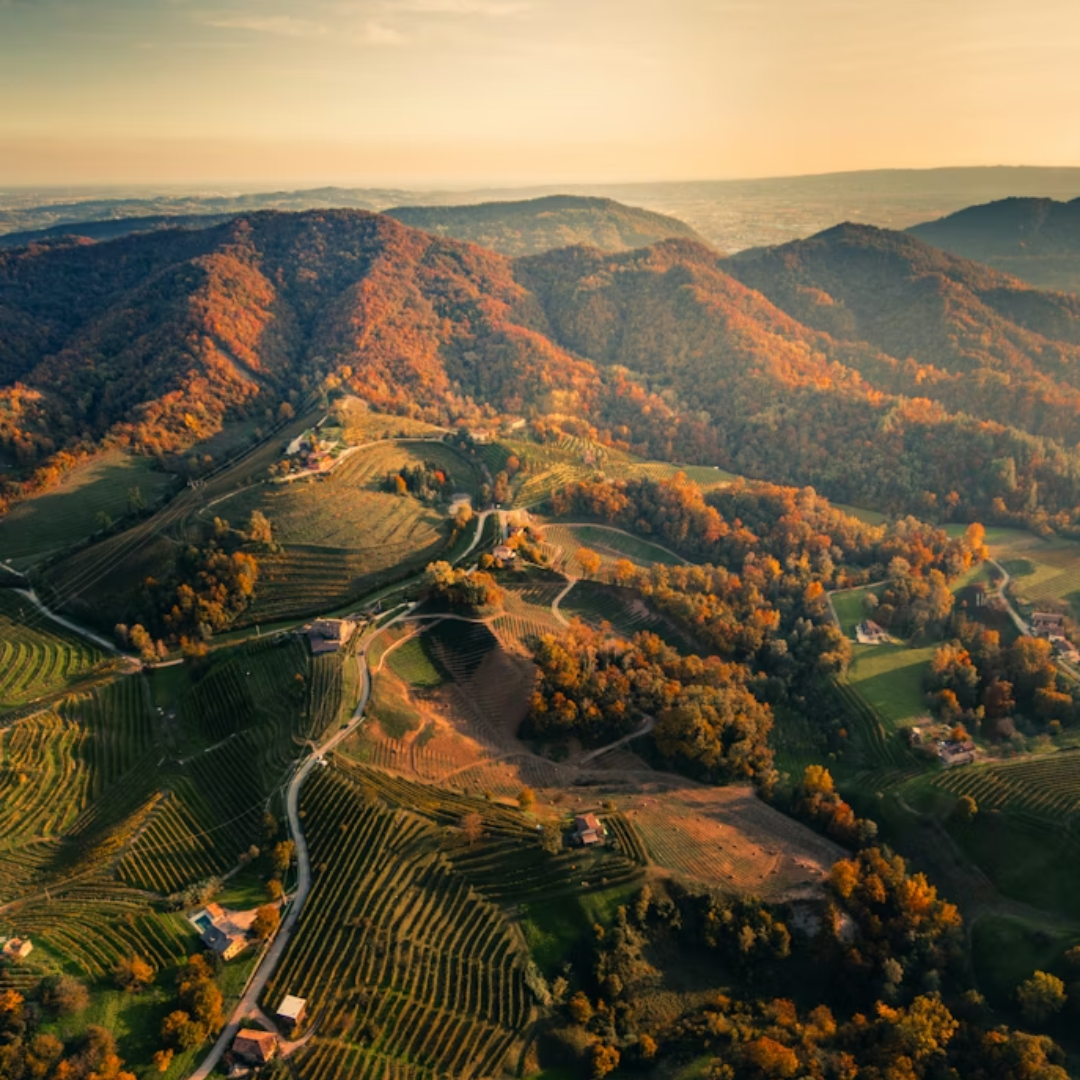
Long before it was a phenomenon, Prosecco was a wine. Its original heartland lies about 60 kilometres north of Venice, on the hillsides between the communes of Conegliano and Valdobbiadene and the slopes above the nearby town of Asolo. Prosecco was the name of a favourite local white grape, first recorded in 1754. (Though some say the wine is made from the same Pucinum that Emperor Augustus’s wife, Livia, enjoyed in the heyday of ancient Rome.)
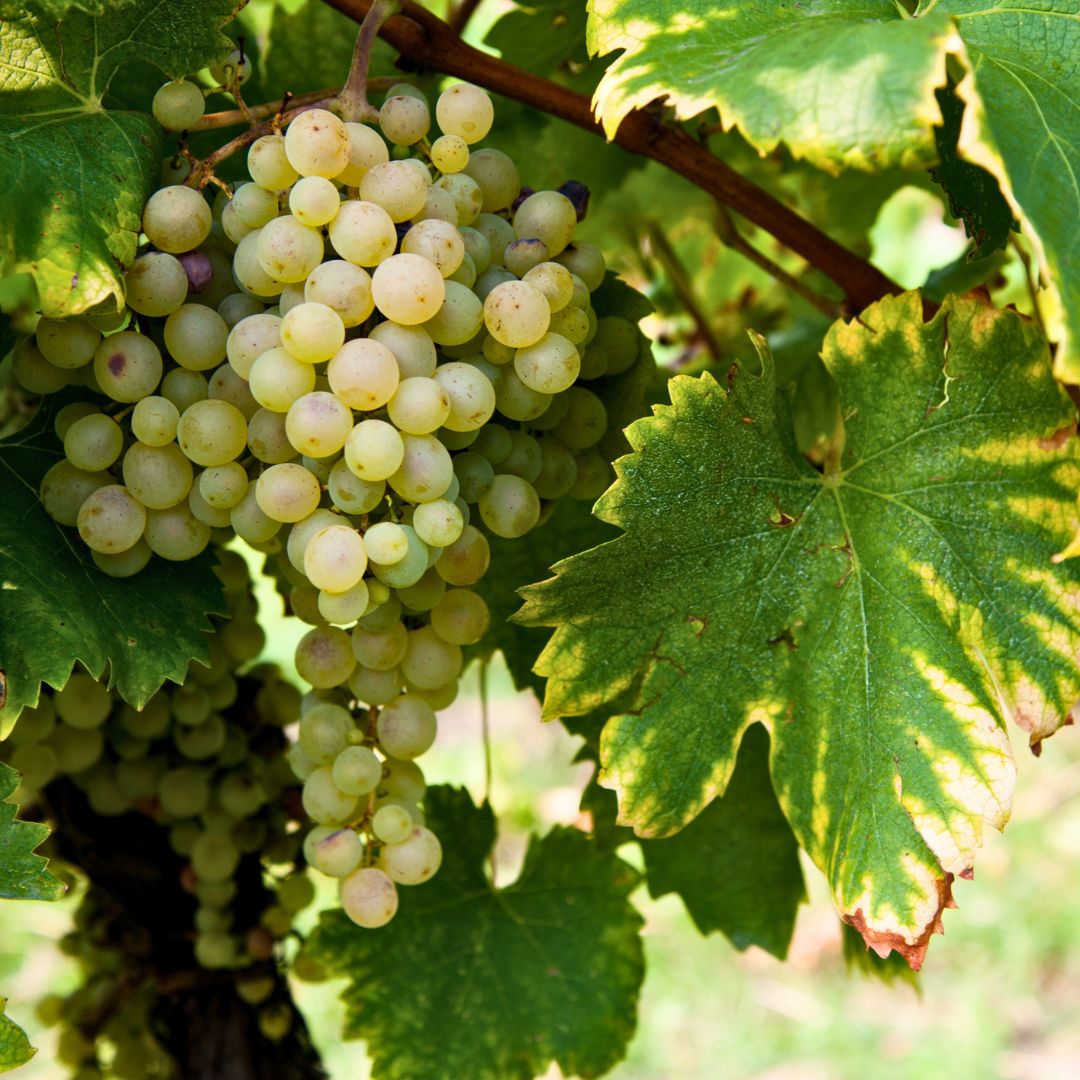
It’s a late-ripening variety, and there were years in the past when the cold of winter stopped fermentation of the wine before it was complete. When temperatures rose again in the spring, the dormant yeasts would awaken and finish the job. The result was a gentle, slightly sweet wine with a soft natural fizz. A delicious surprise but a decidedly haphazard way of producing bubbly.
Hence the welcome afforded to the Charmat method of making sparkling wine, first patented by Italian winemaker Federico Martinotti in 1895. A finished wine is sealed in a pressurized tank with extra yeast and sugar, and a second fermentation takes place.
Because it’s under pressure, the CO2 produced stays dissolved in the wine all the way into the bottle, escaping only when the cork is pulled and spumante froths out. Much cheaper and quicker than the Champagne method, the process was just what Prosecco makers were waiting for.
Charting Prosecco’s meteoric rise in popularity
Slowly an appreciation for the Veneto’s unpretentious spumante spread across Italy. Prosecco charmed everyone with its simple bouquet of white peaches, almonds and apple blossoms that was never too tart. Occasionally, it had an added trace of minerality if the grapes had been grown in the tiny high-altitude Cartizze zone to the north and east of Valdobbiadene.
Its fame increased during the 1950’s after Giuseppe Cipriani, owner of Harry’s Bar in Venice, invented the bellini. This summer cocktail with Prosecco and puréed white peaches became the talk of the international set.
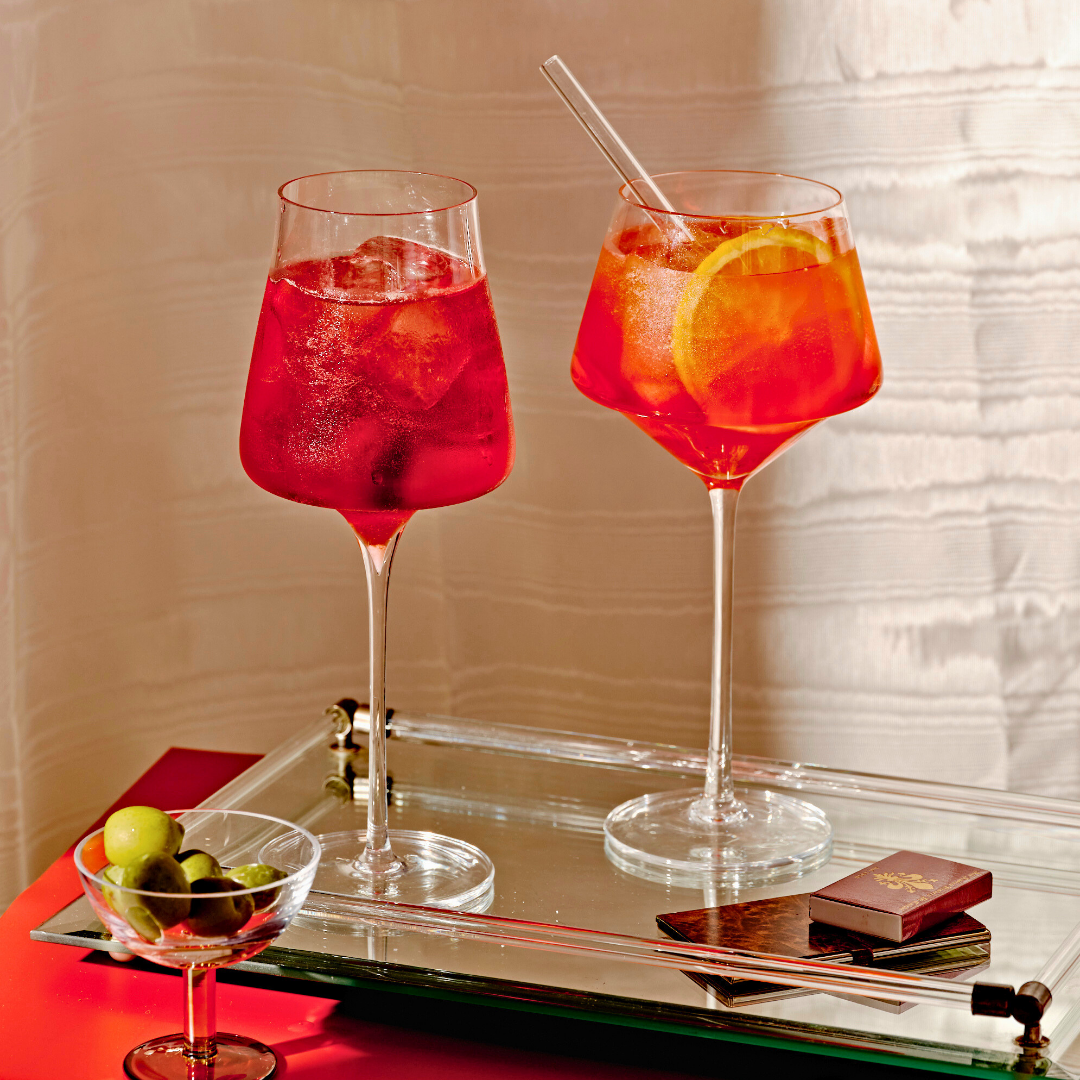
Sometime in the ’80s, high-end Italian restaurants in England and North America started offering a gratis flute of Prosecco as an aperitif. In Toronto, legendary restaurateur Franco Prevedello was the first to do so, downstairs in Centro’s piano bar. (Prevedello is from Asolo and now produces a delightful Prosecco from the hills behind the town under his own label.) The carefree Italian bubbly was a success, but it’s only in this century that it has achieved superstardom as a vital component of the ubiquitous spritz.
A shift in the Italian wine industry
By 2009, the demand for Prosecco far outpaced its annual production of about 150 million bottles. The Italian wine industry decided something had to be done. It announced a vast expansion of Prosecco’s designated area of production (Denominazione di Origine Controllata, or DOC), down from the hills and onto the plains and eastward into the neighbouring province of Friuli.
The original areas were upgraded from DOC to DOCG (Garantita) status to differentiate them from the new territories. At the same time, the industry decreed that Prosecco would no longer be the name of the grape variety; henceforth, it must be called Glera. The word Prosecco would now apply only to wine, and it had to come from the designated Italian areas.
The expansion meant that global demand could now be met. Last year, 660 million bottles were produced. As might be expected, however, there have been quality issues. A great deal of mass-produced Prosecco DOC from the plains are picked early by machines to maintain acidity. Those can be dishearteningly one-dimensional, making for a boring aperitif and adding little more than fizz to a cocktail.
Tips for recognizing great Prosecco
The modern multitude of Prosecco brands presents fans with a dilemma: How does one distinguish the marvellous from the mundane? Especially when they’re often in glamorous bottles that cost much more than the wine to produce.
- Look at the label, not the price tag: The most expressive Prosecco comes from the 43 Rive, which is rare in our marketplace. These are particular hillsides within the DOCG area, similar to grands crus in France.
- Note these specific DOCG areas: If they are listed on the label, then quality is guaranteed: Conegliano and Valdobbiadene (either separately or together), Asolo or Cartizze. Or the word “Superiore,” which means the wine is spumante and comes from the DOCG heartlands.
- Check the label for the sweetness level: Counterintuitively, perhaps, “extra brut” and “brut” are the driest styles. “Extra dry” is noticeably sweeter and “dry” is the sweetest of all.
- Know how fizzy you want it to be: Spumante has bigger, longer-lasting bubbles than “frizzante.” If you’re buying Prosecco for a spritz or a bellini, choose a spumante brut— the other cocktail ingredients are already sweet enough.
The same terms apply when you dive into the ocean of Prosecco DOC. But here, finding quality often comes down to guesswork. Some people rely on celebrity endorsement—Dolly Parton, Andrea Bocelli and Kylie Minogue have their own labels. As do Cara Delevingne and her sisters, who use renowned producers Foss Marai to make their impressive Della Vite range.
Others rely on brands of eminent pedigree, such as Zonin or Villa Sandi. But for many, it must be said, the point of Prosecco is less about wine appreciation than about simply having fun. We love its sparkle and its price. We value it as an easygoing party pour or cocktail component, not as a topic of conversation in its own right.
6 bottles of Prosecco you need to try now
According to wine expert James Chatto, these worthwhile bottles make up some of Prosecco’s more serious moments.
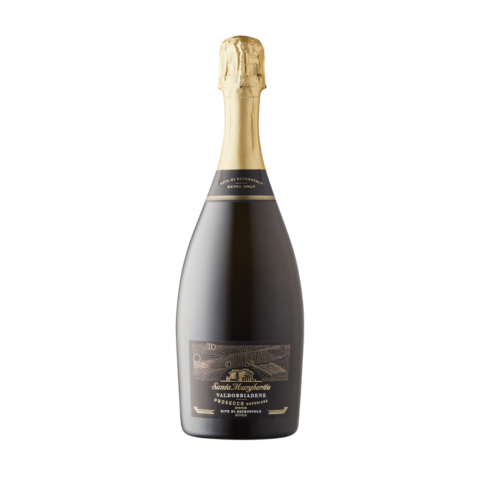
Rive di Refrontolo Valdobbiadene Prosecco Superiore Brut 2023
The name ticks all the boxes— it’s from a certain hillside in the Valdobbiadene DOCG and of a specific vintage. Creamy bubbles and aromas of white peach, pear and nutmeg with a hint of salty minerality justify a price of just under $30. Fabulous with tuna crudo or stuffed zucchini blossoms.
Price: $26.50shop now
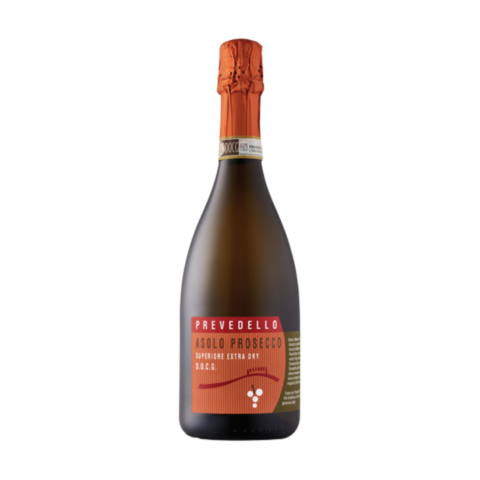
Asolo Prosecco Superiore Extra Dry DOCG
Restaurateur Franco Prevedello releases a small amount of this to favoured Toronto restaurants. Elegant, gentle and off dry and full of white-peach, yellow-apple and honeysuckle flavours, it deserves to be savoured on its own.
Price: $16.95shop now
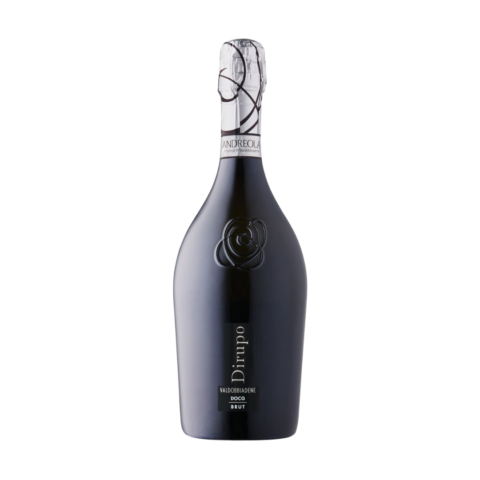
Dirupo Brut Valdobbiadene DOCG
A blend of grapes from different soils in the steep hills gives sophisticated depth to a crisp, dry bubbly with bright notes of acacia, lime and fresh green apple. A fine match for sushi or the crustless savoury finger sandwiches Venetians call tramezzini.
Price: $24.95shop now
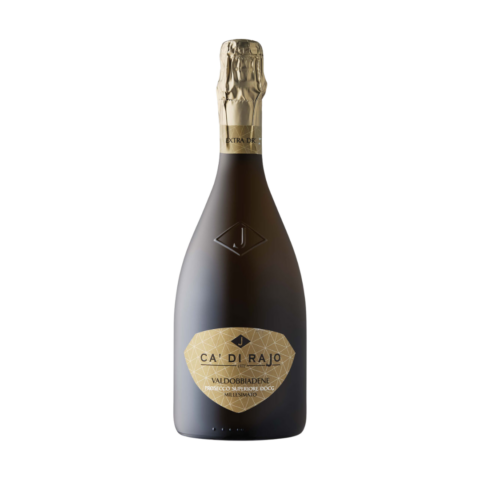
Extra Dry Prosecco di Valdobbiadene Superiore DOCG
The hint of sweetness brings an exceptional depth of flavour—more floral than fruity, with illusions of white flowers and violets hovering over ripe white peaches. Pair it with panettone, plain biscotti or freshly baked madeleines.
Price: $20.95shop now
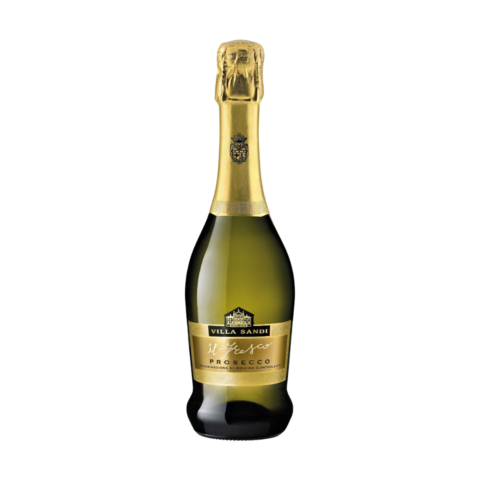
Il Fresco Prosecco Treviso DOC
Treviso is a DOC within the broader Prosecco DOC and the source of this reliable, bargain-priced sparkler. Expect pear and ripe melon flavours with a hint of orange. Dry enough for cocktails and tasty enough for solo sipping.
Price: $12.95shop now
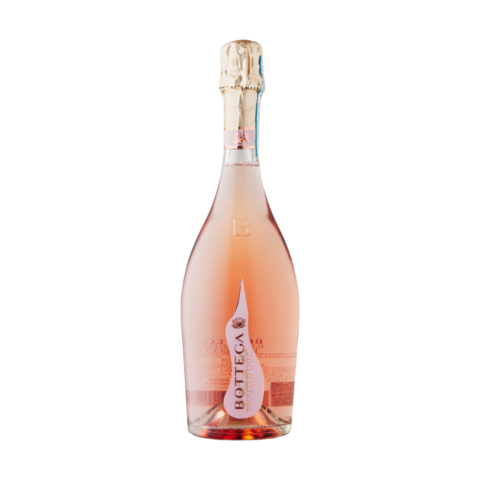
Prosecco Rosé DOC Spumante Brut
Rosé Prosecco has been legal since 2020, made by adding 10 to 15 percent Pinot Nero (Pinot Noir). Subtle notes of red berry and lavender step forward in Bottega’s pretty pale-pink version. Medium-bodied and dry but not austere, it’s a delightful aperitif.
Price: $19.95shop now
Prosecco FAQs
What grape is Prosecco made from?
Prosecco is made primarily from the Glera grape, a late-ripening white variety grown in northeastern Italy.
What is the difference between Prosecco DOC and DOCG?
Prosecco DOC comes from a larger designated production area, while DOCG wines come from the original hillside zones of Conegliano, Valdobbiadene and Asolo and must meet stricter quality standards.
Is Prosecco sweet or dry?
Despite the name, “extra dry” Prosecco is slightly sweeter than “brut.” Brut and extra brut styles are the driest options.
What is the Charmat method?
The Charmat method is a sparkling wine production process where secondary fermentation takes place in a pressurized tank, making it quicker and more affordable than the traditional Champagne method.
Is Prosecco the same as Champagne?
No. Champagne is made in France using different grapes and the traditional method, while Prosecco is Italian and made primarily from Glera using the Charmat method.
Explore more deep dives into popular cocktails and liquors
The Legend Behind the French 75 Cocktail — The definitive guide to understanding the differing origin stories behind cocktail and how it became so popular.
All About Cocktail Bitters and 7 Brands to Try Now — Breaking down the triumphant return of cocktail bitters in the drink industry and spotlighting some incredible Canadian companies that make them. Including Dillon’s Small Batch Distillers and Token Bitters.
How the Aperol Spritz Became the Drink of Summer — Starting with its historical roots in Padua, Italy. Wine expert James Chatto speaks on its many popular variations and how to properly garnish an Aperol Spritz.