For food-loving travelers, the most memorable meals often begin long before they reach the table. Luxury culinary travel is increasingly about experiencing a destination through its food culture: meeting the people who grow, harvest and produce the ingredients, and the chefs who transform them.
According to the 2026 Luxe Report from Virtuoso, cultural immersion, authenticity and food, wine and spirits travel remain among the defining travel trends shaping luxury travel. Recent data from the luxury travel network suggests Canadians are putting those priorities into practice, taking longer trips and investing more in meaningful experiences. “For Canadians, travel remains a priority – they’re simply approaching it differently,” says Karen Hardie, General Manager, Canada, at Virtuoso. “We’re seeing more intentional trips for longer periods of time and a willingness to invest more.”
From walking through vineyards with winemakers and harvesting oysters alongside local producers to selecting seafood directly from fishermen, these properties invite travelers to discover the people, traditions and landscapes behind every meal.
Portugal
L’AND Vineyards, Alentejo, Portugal

Portugal, the second most popular international destination among Canadian luxury travelers for 2026 according to Virtuoso, offers some of the clearest examples of this trend.
At L’AND Vineyards, the property’s architecture frames sweeping views of the vineyards. Described as an “exclusive wine retreat”, the boutique hotel in the Alentejo region encourages guests to connect with the landscape through vineyard walks, harvest experiences and tastings that showcase the region’s distinctive terroir.
Herdade da Malhadinha Nova, Alentejo, Portugal
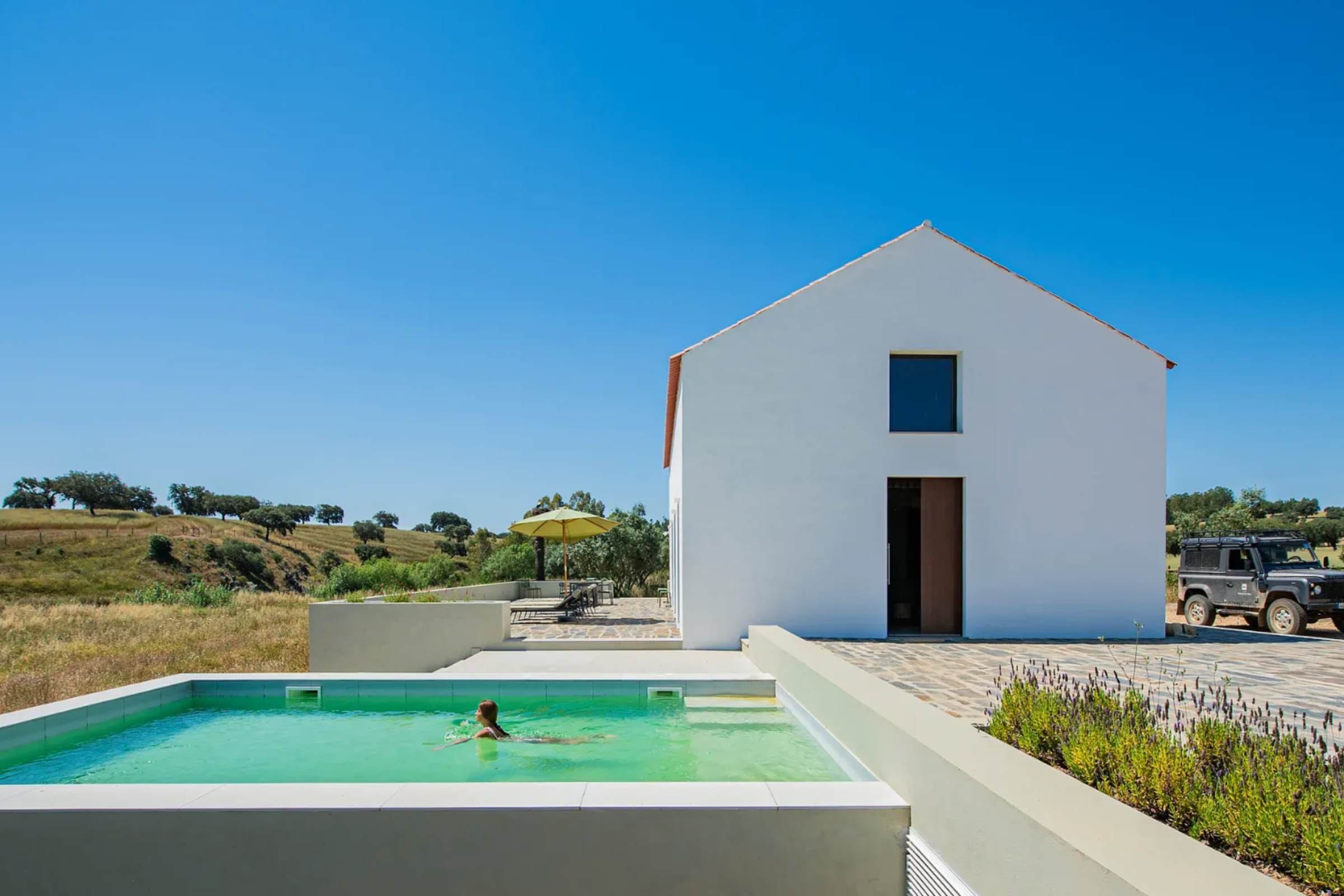
Set amid 1,500 acres of vineyards in Portugal’s Alentejo countryside, nearby Herdade da Malhadinha Nova offers a deep immersion into rural Portuguese life. Here, farm-to-table isn’t a just a trend. Guests can explore the vineyards on horseback, participate in wine experiences and enjoy meals prepared with ingredients grown on the property. The estate recently inspired an Assouline volume dedicated entirely to the property, celebrating its wine, food and approach to hospitality.
Tasmania
Saffire Freycinet, Coles Bay, Tasmania

Tasmania has quietly become one of Australia‘s most exciting culinary destinations. At Saffire Freycinet, guests can visit a local working oyster farm, don waders and sample freshly shucked oysters. The property’s culinary programming highlights the connection between the island’s unique ecosystems and its cuisine, demonstrating how geography, biodiversity and conservation influence what ends up on the plate. The experience feels less like dining and more like a master class in understanding place through food. For travelers, that’s increasingly the point.
Greece
Canaves Collection, Santorini, Greece

In Santorini, one of the most memorable culinary experiences begins on the water. Through Canaves Collection’s Harvest and Heritage program, guests travel by boat to Armeni Restaurant in Ammoudi Bay, following the path of the land’s historic fishing routes beneath Oia’s dramatic cliffs. Upon arrival, the day’s catch is presented straight out of the local fishermen’s ice boxes, allowing guests to select from local seafood before it is simply grilled.
Brazil
Botanique Hotel Experience, Mantiqueira Mountains, Brazil

In Brazil, some of the country’s most compelling culinary experiences begin with the landscape itself. At Botanique hotel in the Mantiqueira Mountains, guests are introduced to the agricultural traditions, ingredients and biodiversity that define one of Brazil’s most ecologically significant regions. Menus celebrate ingredients sourced from the Mantiqueira Mountains, while drinks are inspired by Brazilian folklore.
Cristilano Lodge, Southern Amazon, Brazil

Similarly, Cristalino Lodge offers a window into the biodiversity that supports local food systems and communities. Menus celebrate local producers and indigenous ingredients, while experiences connect visitors to the surrounding landscape learning about the preservation efforts that help protect it.
The ultimate luxury is no longer simply having access to extraordinary places. It’s understanding the people, traditions and landscapes that make them extraordinary.
Plan Your Trip
As Canadians continue to invest in longer, more meaningful journeys, the ultimate luxury is no longer simply having access to extraordinary places. It’s understanding the people, traditions and landscapes that make them extraordinary.
For travelers looking to uncover experiences that go beyond the expected, expert guidance can often make all the difference. Virtuoso Travel Advisor specialize in connecting travelers with the people, places and local experiences that bring a destination to life.