What does the kitchen of tomorrow look like? Carbon-neutral, if interior designer Crystal Bueckert has any say in the matter. “Sustainable design has become such a talking point, but not enough designers actually think like that,” says Bueckert. She is an architectural technologist and the owner of Saskatoon’s Bldg Studio Inc. Her firm specializes in sustainable construction and energy-efficient design without sacrificing aesthetics.
While some may view a sustainable-first design mindset as restrictive, for Bueckert, it has been the opposite. It has created new opportunities to flex her creativity. Take induction cooktops, for example. These efficient alternatives to natural-gas ranges have a cooking surface that remains remarkably cool to the touch. This allows for personality-driven style options, such as custom knob placement and seamless integration with a matching countertop. “It just gives a really good look,” she says. “They’re so slick.”

As a director in the Energy Efficiency and Technology division of Natural Resources Canada, Burt James is all about embracing the latest eco-friendly tech. His team oversees Canada’s Energy Star certification program, which, in part, assesses the efficiency of various products for consumers. So, kitchen sustainability is always at the top of his mind. “The easiest way [to cut your carbon footprint] is to purchase higher-efficiency devices,” he says.
The numbers back it up too. Canada’s energy regulator reported that a household with an average set of major household appliances (think fridge, dishwasher, range, freezer and even laundry machines) purchased in 2014 used approximately 35 per cent less energy compared to a set purchased in 2000.
James recently remodelled his own Ottawa kitchen with a full suite of Energy Star-certified appliances (all matching; he likes the integrated look too). He is sure that today’s advances in sustainable tech will not crimp any Canadian’s style. In fact, they have led to a much wider array of design-forward choices on the market. “It’s not hard for Canadians to find a suitable appliance that will fit both their style choice and their budget,” he promises.
Whether you’re making small changes or planning a full-scale renovation, the experts have pinpointed five places where you can minimize your kitchen’s carbon footprint.
5 tips for a stylish yet sustainable kitchen design
1. Induction cooktops are the way to go

Bueckert gets it: “Everyone loves a flame,” she says. Cooking over a fire may feel more authentic for some, but switching to an induction cooktop is her number-one tip for boosting kitchen efficiency. The technology uses electromagnets to heat cookware directly— with up to three times the efficiency of a gas range, according to the U.S. Department of Energy.
You’ll also see energy savings beyond the cooktop. “The ventilation fan that’s required for gas is pretty big,” notes Bueckert. Induction cooktops can use smaller, recirculating range hoods, significantly reducing kitchen energy use.
Concerned about the cooking experience sans gas? Don’t be. Take Toronto-based chef John Horne, for example. He uses an induction cooktop at home and at some of Toronto’s best-known restaurants, including Canoe and Auberge du Pommier. He gushed about the tech to the Toronto Star earlier this year, promising home cooks that “it’ll blow your mind how fast it will boil a pot of water.”
2. Chill wisely with a greener refrigerator
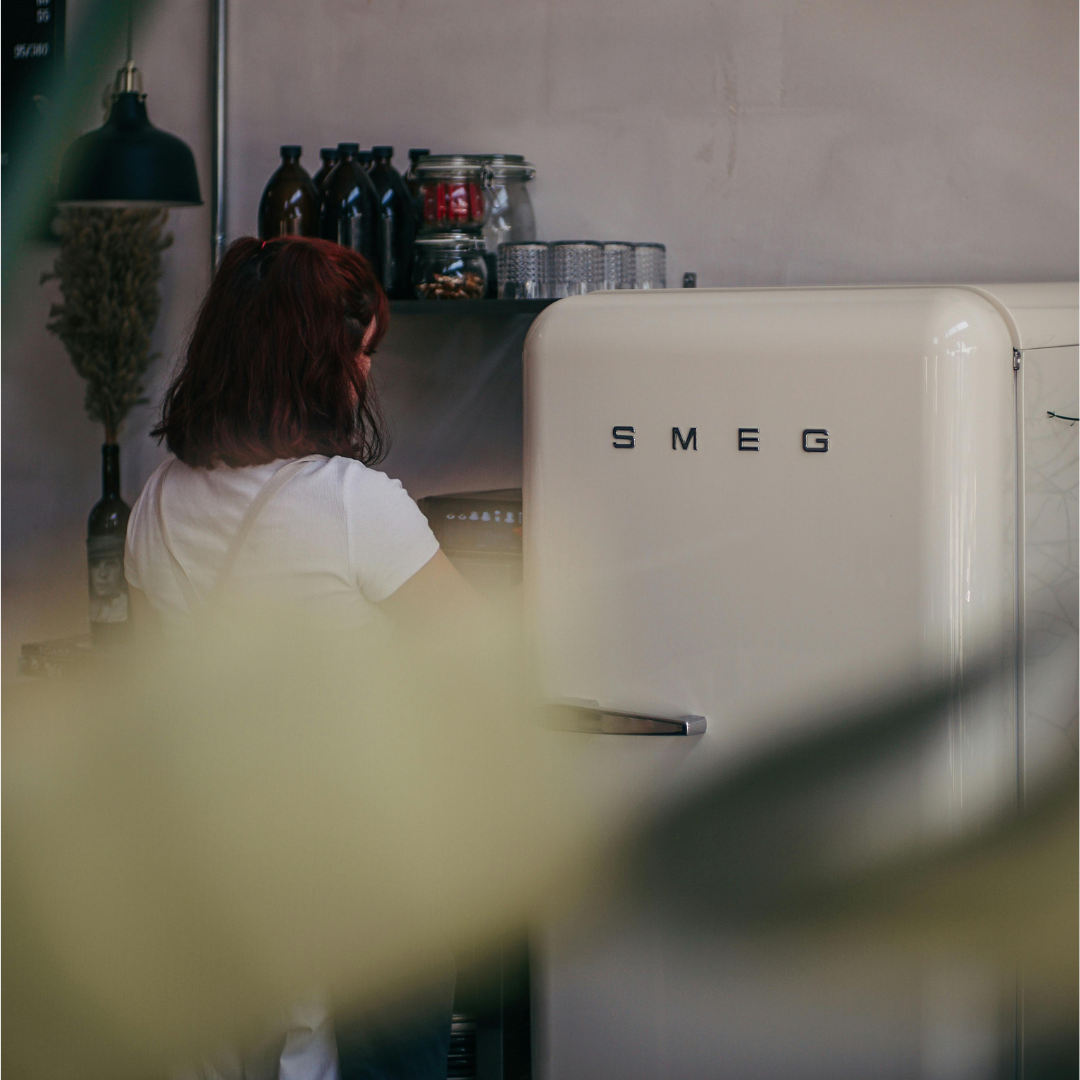
To use your fridge more efficiently, James suggests taking easy steps to prevent the cold air from escaping. “Keep the seals around the doors and freezer clean, and replace them if they are old and worn out,” he says. “Any gap in the seal will cause your fridge to work harder to keep your food cool and fresh.”
James also stresses that refrigeration technology has advanced at an incredibly rapid rate. Purchasing a brand-new model may be more efficient than waiting for your current fridge to die. “I’m talking about several times more efficient,” he says. “If your fridge is more than 10 years old, any new one will definitely consume less energy.” Today’s greener refrigerators come with top-notch features like enhanced insulation and smarter, more intuitive temperature setting and defrost systems.
3. Tiny is trending for kitchens and appliances
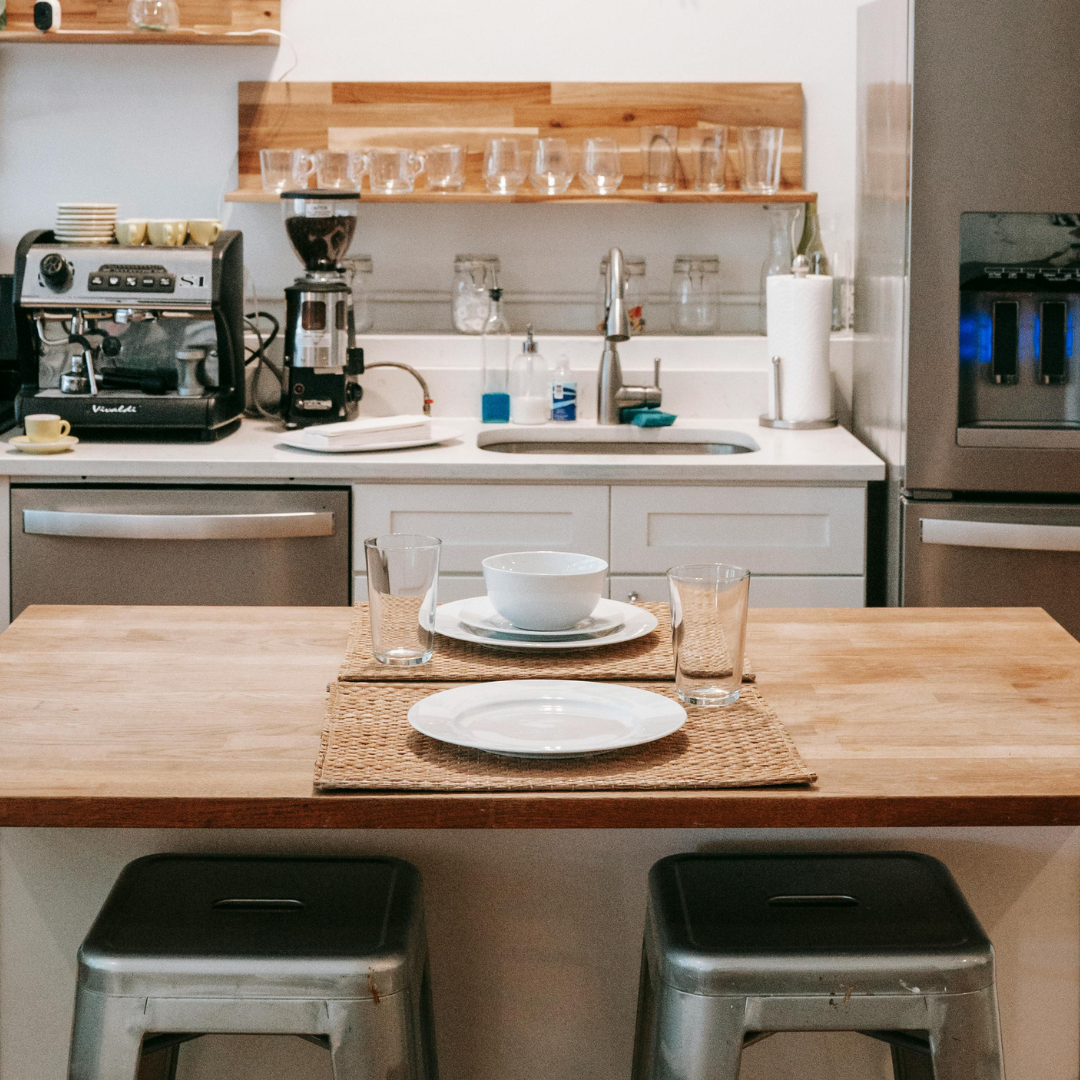
“I think people overestimate how much room they actually need in a kitchen,” says Bueckert. “It’s wasteful in terms of resources and materials. Scale down to what you actually need.” Her own kitchen is a 3.4-metre one-sided galley—the most efficient design to make the most of each square metre of available space.
While the open-concept kitchen isn’t likely to disappear anytime soon, Bueckert says that many of her clients have been seeking the opposite. A compact space that can be closed off to keep kitchen noise away from the rest of the house in the era of working from home. “The tucked-away kitchen is turning into a thing now,” she promises.
The downsizing advice goes for appliances as well. “The larger an oven is, the more time it will take to heat up and the more energy it will take to keep it at that temperature,” James offers as an example. Take care to evaluate your needs, and choose appliances that are appropriately— and realistically— sized for the job.
4. Lower the flow with Energy Star-certified dishwashers
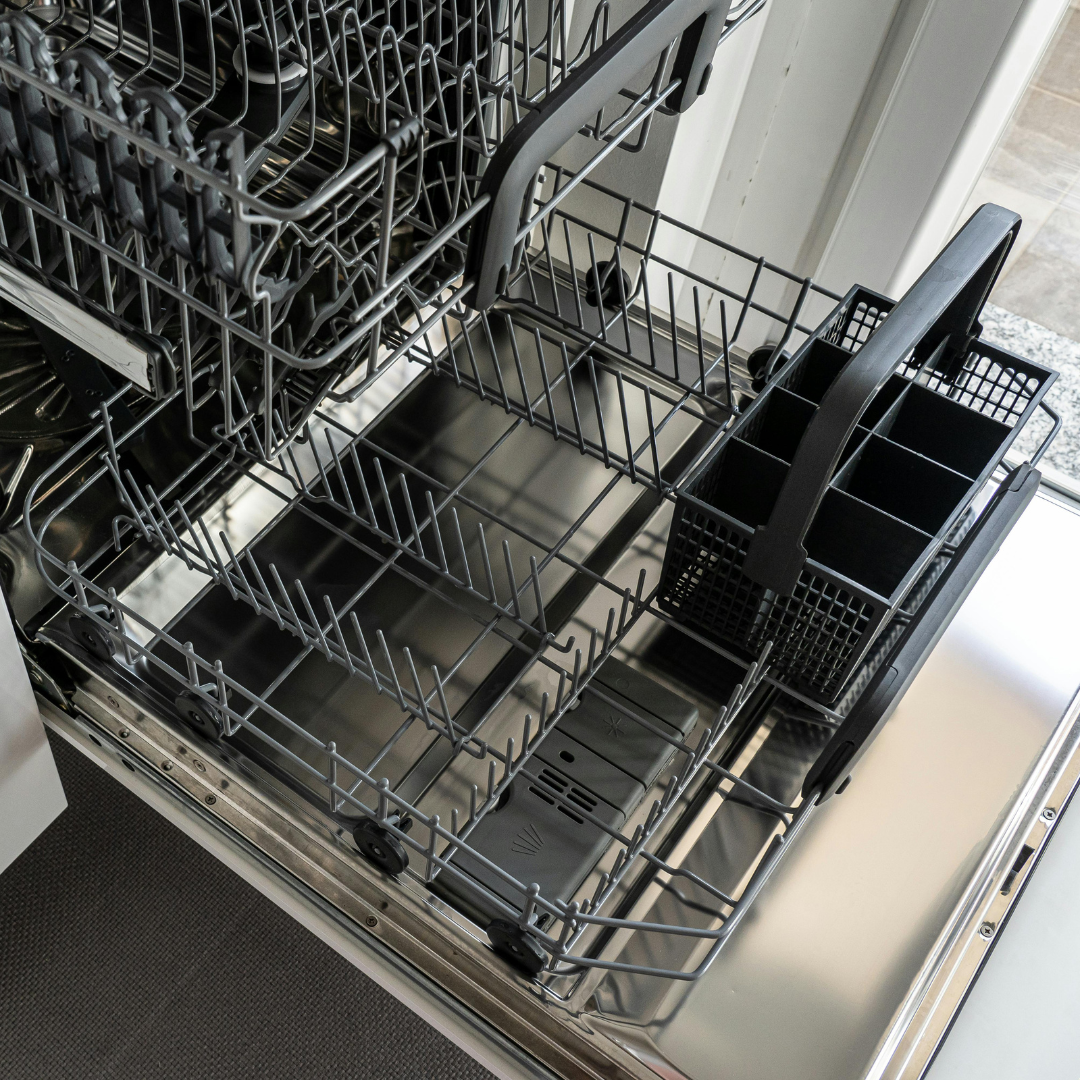
“It’s a little-known fact that washing a load of dishes using an Energy Star-certified dishwasher consumes less energy and less water than doing it in your sink,” says James. According to the program’s data, the savings are significant— a new certified dishwasher will use less than half the energy of washing by hand.
Whether you’re in the market for a new model or not, you can maximize your appliance’s efficiency by scraping— not rinsing— dishes before loading them, so your device doesn’t have to work as hard to get them clean. And make sure you use the built-in setting that matches your load and avoid running lighter ones.
While you’re thinking water, be mindful of how long you’re running the tap. Between washing your hands, filling pots, cleaning produce and other unavoidable water uses in the kitchen, the waste can be significant. James suggests installing a low-flow faucet. This limits the amount of water dispensed within a time frame, as one way to reduce your water consumption.
Canada is still in the process of establishing faucets as energy-using products. There are no official guidelines at the moment, but the government is considering a maximum water flow rate of 6.8 litres per minute as a tentative efficiency standard. You likely won’t notice a difference in the experience— low-flow faucets are designed to have water pressure similar to that of their counterparts.
5. Get crafty with painting and upcycling
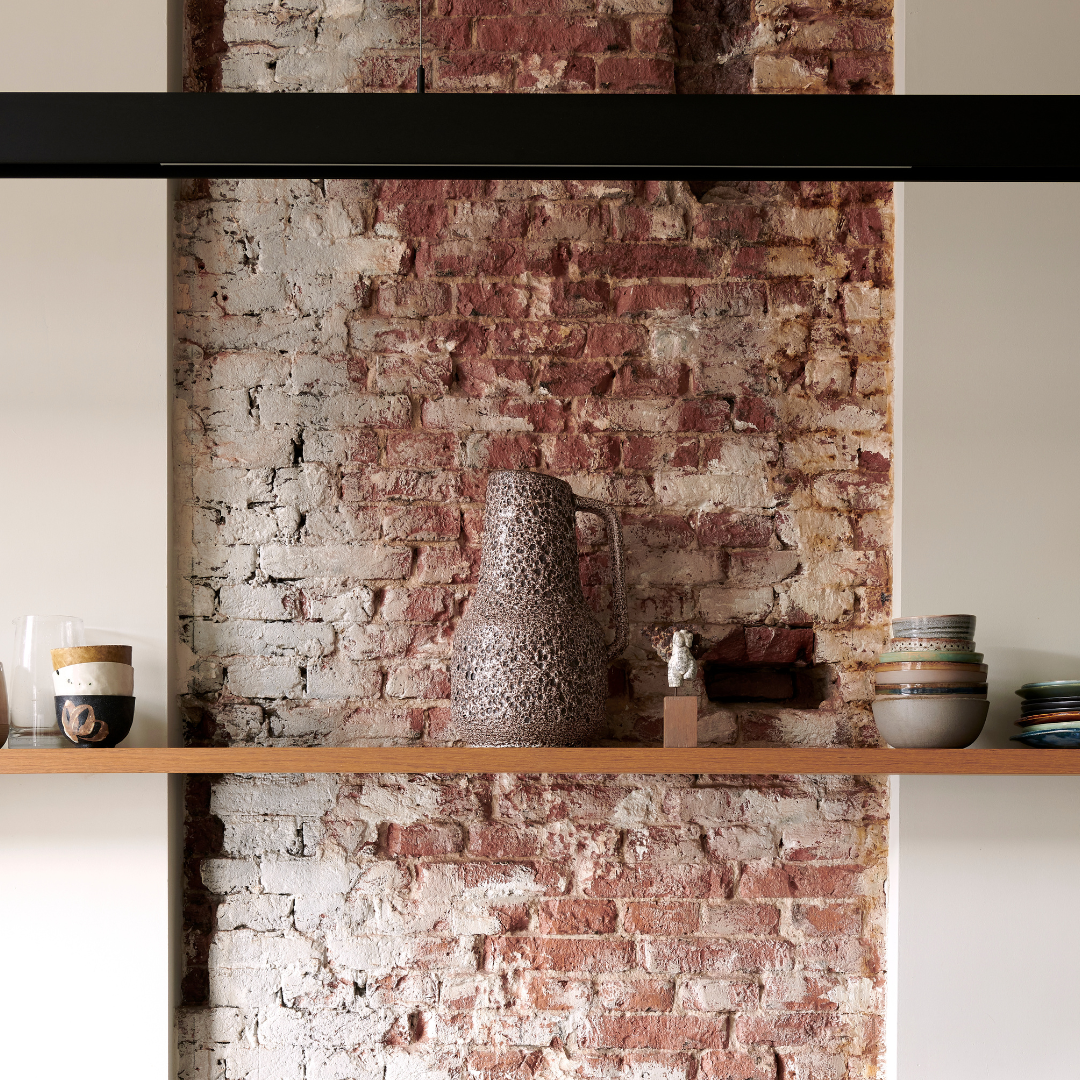
If you’re tired of how your kitchen looks, Bueckert says to put the crowbar down and pick up a paintbrush. “Instead of overhauling the cabinets and ripping everything out, paint the door fronts or get different hardware,” she says. “You can change the whole look of something with just a bit of paint— or switch out the door fronts instead.”
If you must have something new, think second-hand. “A nice way to save on your footprint is to use reclaimed materials,” says Bueckert. This could be something intact, like a kitchen table, but you can also source local materials to build cabinets or door fronts. Enlist a local craftsperson to help you source and reclaim materials, she suggests. “Most towns have someone who knows where to go. Carpenters and woodworkers are a great bet.”