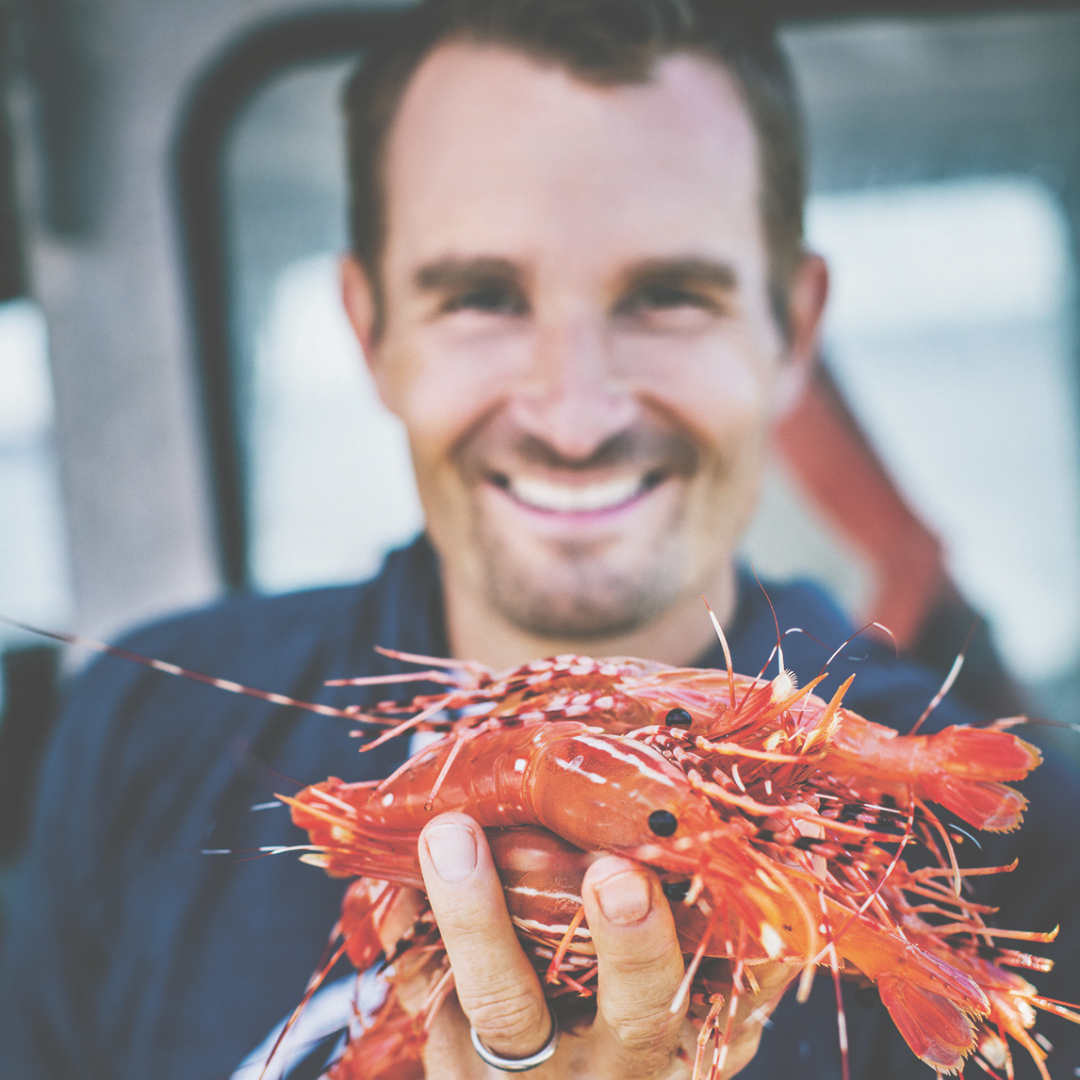
Chef Ned Bell is very passionate about sourcing food locally and cooking and eating sustainably. So passionate that a decade ago, he rode his bike across Canada— 8,700 kilometres, give or take— to promote that idea.
“I was the executive chef for the Four Seasons Hotel Vancouver at the time, and I told my boss, ‘I’m going to take three months off and ride across Canada,’ and he was like, ‘Oh, you are, are you?’” Bell says.
The goal of the journey was to support Chefs for Oceans, a movement he founded to rally his peers in the food industry to support practices that maintain healthy oceans. Along the way, he had conversations across the country with chefs, fishers and oyster farmers. This journey brought attention to the importance of making responsible seafood choices— something he still emphasizes in his work to this day.
Vancouver Island: An Early Connection to Ocean Systems
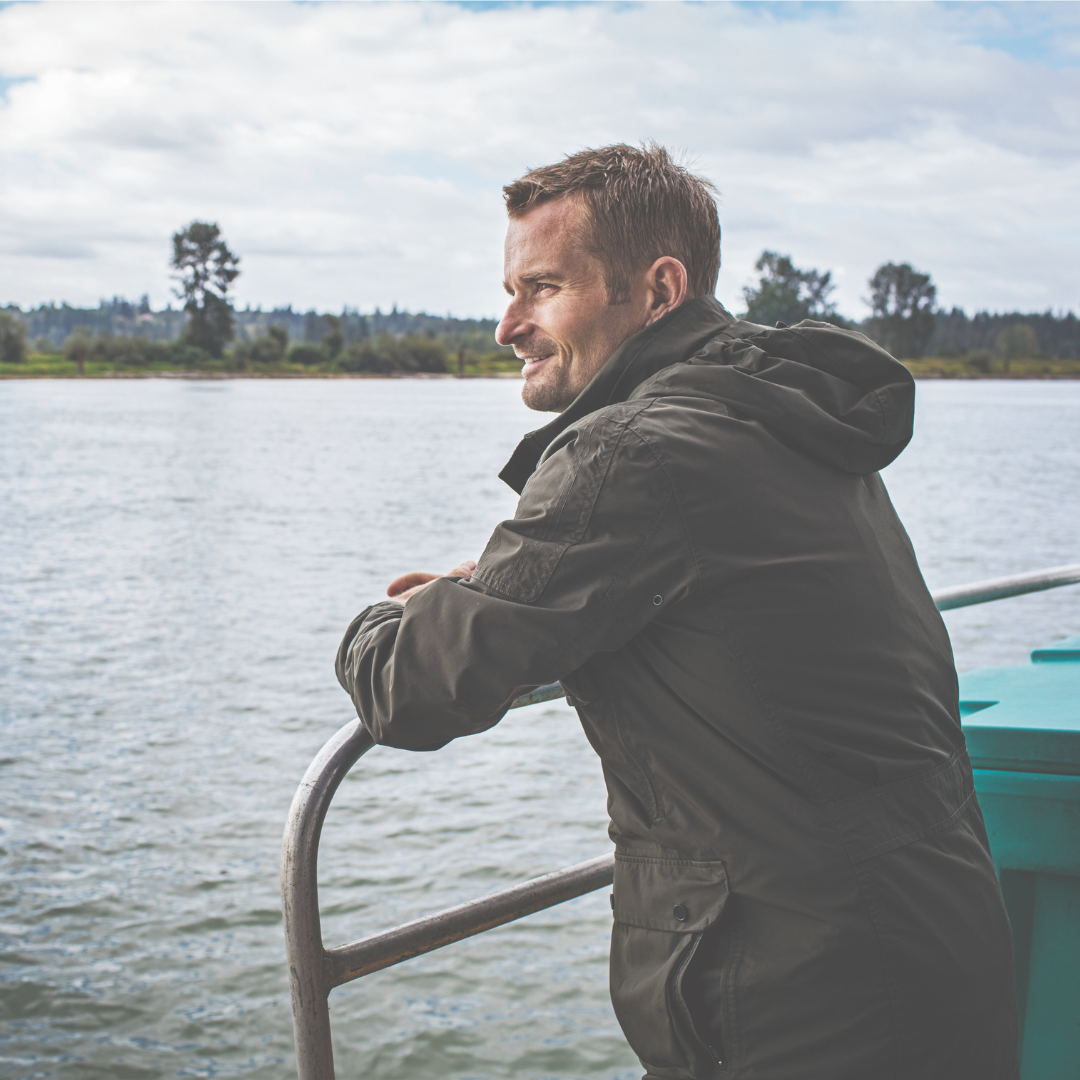
The chef’s connection to the water, sea life and the fragility of ocean systems started when he was a young boy living on Vancouver Island. “I grew up fishing with my dad—in the late 1970’s, that was our entertainment,” he says. “The ocean and the forest were a part of your everyday.”
In the late ’90s, after culinary school, he spent some time in Toronto working with award-winning chefs Jamie Kennedy and Michael Stadtländer. They were at the forefront of Canada’s farm-to-table movement. “They were early peers and mentors of mine,” Bell says.
He added that their commitment to local, sustainable ingredients unlocked a purpose in his own approach to cooking. “It was like, ‘Of course we want to know where our fish comes from; of course we want to know who harvested the fish.”
Ocean Wise: Expanding Advocacy for Conservation
When he returned to the West Coast, he dived in to work with the newly launched Ocean Wise. This Vancouver-based conservation organization is focused on protecting and restoring our oceans. “It was our right hand when it came to knowing what type of fish we should be celebrating or the challenges it faces from an overfishing point of view,” he says.
We’re creatures of habit. We’re addicted to cheap. Unfortunately there’s no such thing as cheap food. Something, somewhere, someone pays the price for something to be cheap.
And the chef made working with Ocean Wise a necessary criteria for him joining the Four Seasons team. “We became the first luxury hotel in the country to be 100-percent
Ocean Wise,” he says. His menus would only use Ocean Wise-recommended fish and seafood. (The Four Seasons Vancouver has since shuttered, but the Four Seasons Resort Whistler continues to work with the organization.)
Why “Cheap Food” Doesn’t Exist to Chef Ned Bell

Today, the Vancouver-based chef’s advocacy has expanded to include spreading the word about buying from local producers and growers. He also shares tips on how to manage doing that on a budget. Bell promoting these ideals through brand partnerships, chef collaborations, cooking classes and more. He also works with regional health-care authority Vancouver Coastal Health to establish a more vibrant and fresh food program for medical patients.
“I’m a sustainably minded local chef; it’s kind of who I’ve always been,” Bell says. He hopes his work will get more of us thinking like him. “We are creatures of habit; we’re addicted to cheap. Unfortunately there’s no such thing as cheap food. Something, somewhere, someone pays the price for something to be cheap.”
Chef Ned Bell’s Tips: Eating Local on a Budget
Bell acknowledges the challenges with the high costs of food. “But what I call hyper-local or hyper-seasonal eating doesn’t have to be expensive,” he says. “Quite honestly, eating locally in the wintertime is easy. Eating locally in the summertime is easy. It just takes a bit more effort.”
- Craving out-of-season fruit? Buy frozen. Make sure you know what is in season when you go grocery shopping.
- Small protein portions, high quality. “I always say, ‘Fill your plate up with nutrient-dense plant-based ingredients and garnish with sustainability,’” Bell explains.
The chef calls his dishes “globally inspired and locally created,” and it’s a principle that runs through all of his advocacy work too. “It’s about supporting your local farmers and fishers, your local community and local economy,” he says. “I think there’s inherent value in that.”
Chef Ned Bell’s Tips: How to Sustainably Shop for Seafood
In Ned Bell and Valerie Howes’ cookbook, Lure, they share a variety of tips to encourage everyone to shop for seafood with a sustainable approach. Here’s some of what we learned:
- Shop seasonally. Just local produce, the freshness of local seafood depends on the season. By learning what fish is available when and where it is harvested, you can minimize your environmental impact. Generally, shellfish (ie. clams, mussels and squid) and white fish (ie. Arctic char, Pacific cod and sturgeon) are in season year-round.
- Seasonal seafood includes:
- March to October: halibut
- May to October: crab and salmon
- May to November: shrimp and tuna
- Seasonal seafood includes:
- Consider the food chain. “Consuming small fish such as sardines, anchovies, mackerel and herring typically has less impact than eating big predator fish,” Bell writes. This is because they typically require less resources (read “fossil fuel”) to catch as they tend to travel in large schools. That said, fish species of any size can become at risk for overfishing and endangerment.
- Lower your consumption. “Don’t treat fish like steak,” Bell writes. “You don’t need a 10-ounce slab of protein— make smaller portions of high-quality and sustainable fish the supporting cast in plant-forward dishes.”
More sustainable seafood recipes from chef Ned Bell
Dungeness Crab Boil
This Dungeness crab boil combines tender crab, baby potatoes and corn on the cob, all tossed with a savoury-sweet stone fruit butter right before serving.
Check out this recipe


Shrimp Caesar Salad
A shrimp Caesar salad with roasted garlic-rosemary dressing, sourdough croutons, Parmesan crisps and caramelized grilled lemon.
Check out this recipe

Cedar Plank Salmon with Grilled Nectarines
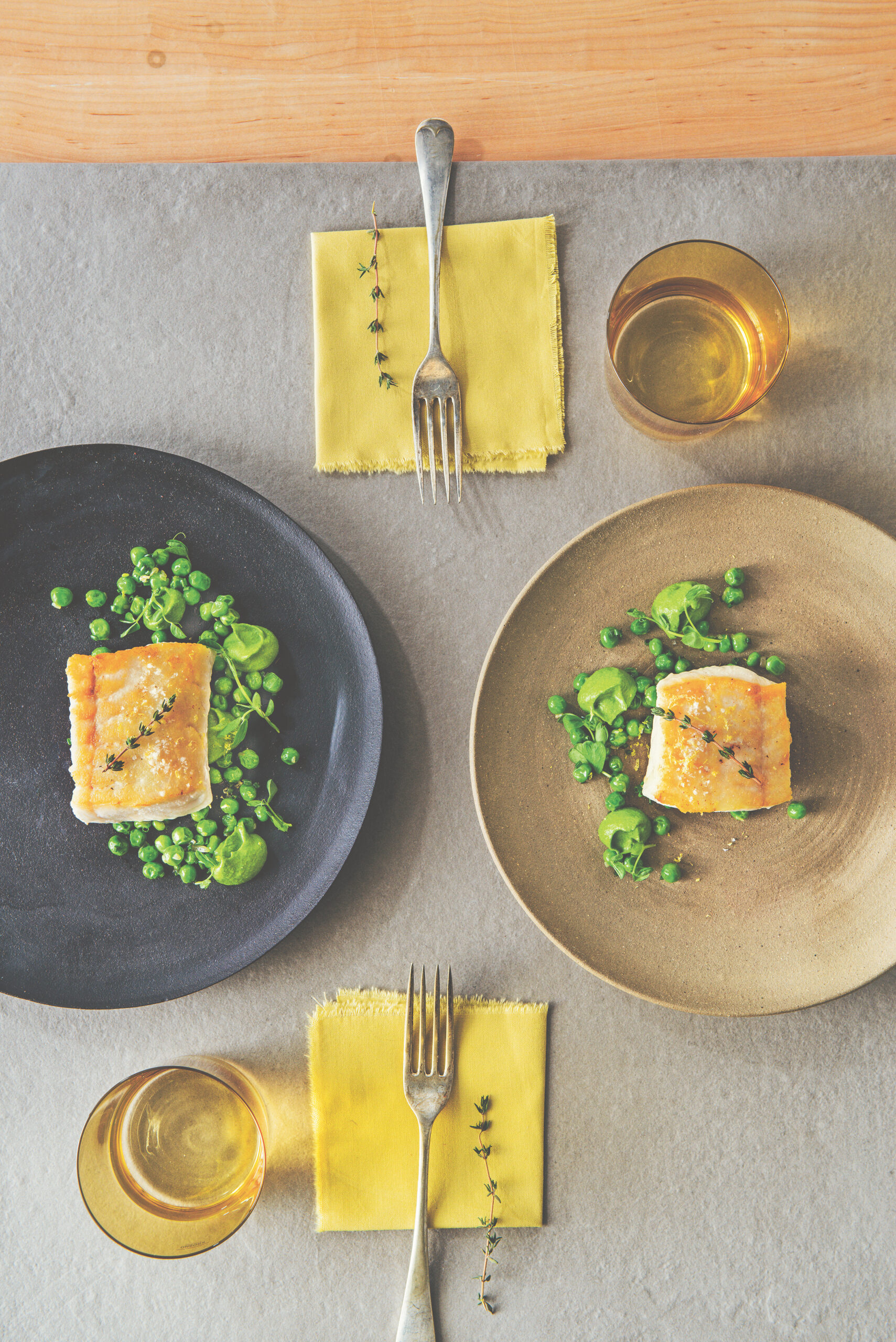
Cedar plank salmon with honeyed grilled nectarines, creamy ricotta and fresh thyme.
Check out this recipe

More Homegrown Heroes on ELLE Gourmet
- Bonton and Company’s Fresh Approach to Local Yukon Ingredients: Owner Shelby Jordan talks about how the award-wining restaurant got started and her guiding principles as a butcher.
- Behind Kebaonish, an Indigenous and Woman-Led Drink Company: Located on Tyendinaga Mohawk Territory in Ontario, this coffee and tea brand is infused with cultural teachings.
- Canadian Chef Jessica Rosval Uplifts Women Through Cooking: This Montreal-born chef is positively impacting the industry at her not-for-profit and three-Michelin-starred restaurants.