You’d be forgiven for not thinking of Rome as a vegetarian- or vegan-friendly city, but that perception is changing, and for good reason. Rooted in cucina povera (“poor kitchen”), Rome’s food tradition was built on simplicity, seasonality and resourcefulness. Long before tofu or seitan entered the Western plant-based mainstream, Romans were already drawing flavour from humble vegetables, legumes and grains.
For travellers, that means the challenge isn’t finding something to eat – it’s knowing what to order. Many of Rome’s most traditional dishes are already vegetarian or vegan, or can be easily adapted with a small request. Once you recognize the names, they start to appear everywhere: on trattoria menus, in bakeries and at casual spots across the city.
Here are 12 essential Roman dishes to look out for — reliable options you can order almost anywhere, without needing to seek out strictly vegetarian or vegan restaurants. These dishes are either fully vegetarian or vegan, or can be made so with simple tweaks. .
Tips for Eating Vegan or Vegetarian in Rome
- Check for meat broths
Even vegetable-based dishes like minestrone or lentil soup are sometimes made with meat stock. Ask for brodo vegetale to be sure. - Pecorino Romano isn’t vegetarian
It’s made with animal rennet. If you’re strictly vegetarian or vegan, look for dishes without cheese or ask if alternatives are available. - Pay attention to the contorni
Roman menus often include a full section of vegetable sides—roasted potatoes, sautéed greens, beans, eggplant—many of which are naturally vegan and often some of the best things on the table.
1. Carciofi alla Romana (Roman-Style Artichokes)

This dish is a springtime icon, found in markets and trattorias when artichokes are in season (typically February to May). The preparation is pure Roman simplicity. These Roman-style artichokes are trimmed, stuffed with mentuccia (a wild Roman mint also known as calamint), garlic and parsley and then gently braised in olive oil and white wine until they’re meltingly tender. The herbs infuse the entire globe, and the slow cook makes the leaves soft enough to eat. It’s earthy, delicate, deeply aromatic and totally plant-based.
GET THE RECIPE
2. Carciofi alla Giudia (Jewish-Style Fried Artichokes)

Originating in Rome’s historic Jewish ghetto, these crispy, golden artichokes are one of the most beloved dishes in Roman cuisine. Artichokes are flattened like a flower and fried twice in hot oil until the outer leaves curl and crackle like chips. The result is a perfect contrast of crispiness and tenderness. They’re traditionally vegan, but it’s worth confirming that they’re cooked in vegetable oil before ordering. They used to be found mainly at restaurants in the ghetto district but nowadays are on menus across the city.
3. Concia (Marinated Fried Zucchini)
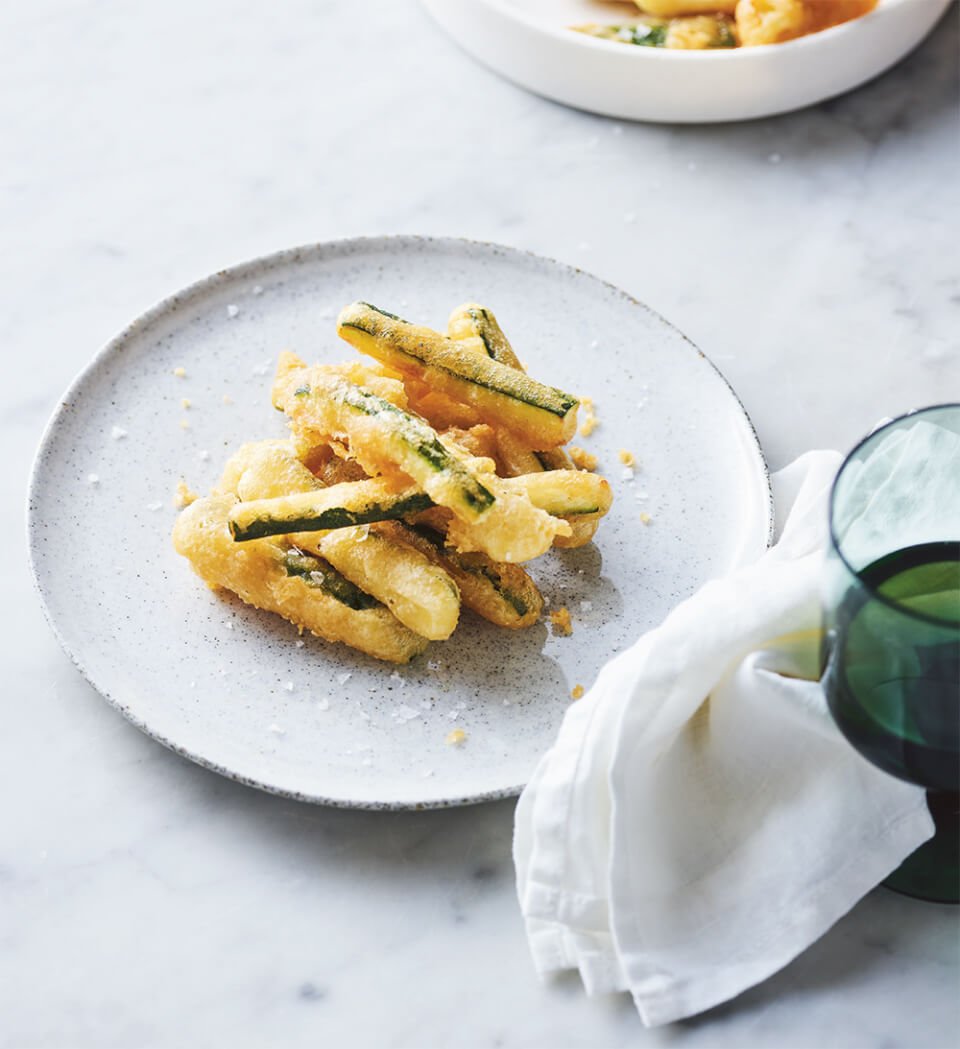
Another gem from the Jewish-Roman repertoire, concia is a humble yet deeply flavourful dish that transforms summer zucchini. Thin slices are fried until golden and then layered with fresh mint and garlic, topped with a splash of vinegar and left to marinate. The result is rich, tangy and refreshing all at once. The dish is served cold or at room temperature, often as an antipasto or a side, and is a perfect example of how Roman cuisine elevates vegetables through patience and intuition.
GET THE RECIPE
4. Puntarelle alla Romana (Chicory Salad)
This is a salad like no other. Puntarelle, the crisp shoots of Catalonian chicory, are painstakingly sliced into thin curls and soaked in ice water to make them extra crisp. Traditionally dressed with a pungent emulsion of anchovy, garlic, vinegar and olive oil, the salad is peppery, briny and satisfyingly bitter. Vegans and vegetarians can ask for it without the dressing (“senza alici”)— the greens are still intensely flavourful when dressed simply with lemon or extra-virgin olive oil.
5. Fiori di Zucca (Stuffed Zucchini Flowers/Squash Blossoms)

These delicate squash blossoms are typically stuffed with mozzarella and anchovy (but you can ask that the fish be omitted), dipped in a light batter and fried until puffed and crisp. When done right, the batter is shatteringly thin and the cheese melts into a creamy centre. Many places now offer vegetarian versions, and some modern spots experiment with vegan fillings like cashew-based cheese. They’re seasonal (usually May through early fall), so grab them when you see them.
GET THE RECIPE
6. Mozzarella in Carrozza (Mozzarella in a Carriage)
Mozzarella in carrozza is a beloved Roman kids’ snack that just so happens to be vegetarian-friendly. Gooey fior di latte is sandwiched between soft white bread with the crusts trimmed. It’s dipped in flour and then an egg-and-milk mixture, coated with bread crumbs and fried to crisp, golden perfection. The molten cheese stretches out like carriage reins—that’s why it’s “in carrozza”—making for a simple, irresistible treat.
7. Pasta e Ceci (Pasta With Chickpeas)
Hearty and satisfying, pasta e ceci is one of the best expressions of cucina povera. Made with short pasta (often ditalini or broken spaghetti) that’s simmered in a thick, stewy base of chickpeas, rosemary, garlic and olive oil, it’s comfort food at its finest. The texture is somewhere between soup and pasta—rich and spoonable—and sometimes the sauce is blended slightly for creaminess. Most versions are naturally vegan, but it’s always worth confirming that the broth is vegetable-based.
8. Pizza Bianca (Roman-Style White Pizza)
Forget everything you know about pizza. Pizza Bianca is more like a chewy, olive oil-brushed focaccia with no sauce or toppings— just salt. Sold by weight in Rome’s many bakeries, it’s often eaten as a snack and is the perfect sandwich base too. Wherever you are, be sure to ask for a slice that’s freshly baked and warm. Vegan by nature, it’s one of the most satisfying and portable bites in the city.
9. Trapizzino
A modern Roman street food that’s become a cult favourite, trapizzino are triangular pizza-dough pockets stuffed with rich fillings like traditional Roman stews. While the classics are meat-heavy, many shops now offer options like melanzane alla parmigiana (without cheese for vegans), stewed greens, burrata or chickpeas in tomato sauce.
10. Cicoria Ripassata (Sautéed Chicory With Garlic and Chili)
No Roman meal feels complete without a side of bitter greens. Chicory— usually the catalogna variety— is blanched and then sautéed with olive oil, garlic and chili flakes. The result is deeply earthy, slightly spicy and surprisingly addictive. It’s served as a side dish almost everywhere and pairs beautifully with main courses but also works as an antipasto. Ripassata means “passed again” and refers to the dish’s two-stage cooking process, as the veggies are parboiled before being tossed in the pan. This is Rome at its most honest: bitter, bold and better than it sounds on paper.
11. Pomodori al Riso (Tomatoes Stuffed With Rice)
Pomodori al riso is a classic Roman dish made with ripe tomatoes that are hollowed out and filled with a savoury mixture of rice, herbs and garlic. The stuffed tomatoes are then baked until tender and caramelized and are often accompanied by crispy roasted potatoes. This vegan dish highlights the natural sweetness of tomatoes and the comforting texture of baked rice. Romans will often pack the dish for an easy beach lunch.
12. Cacio e Pepe
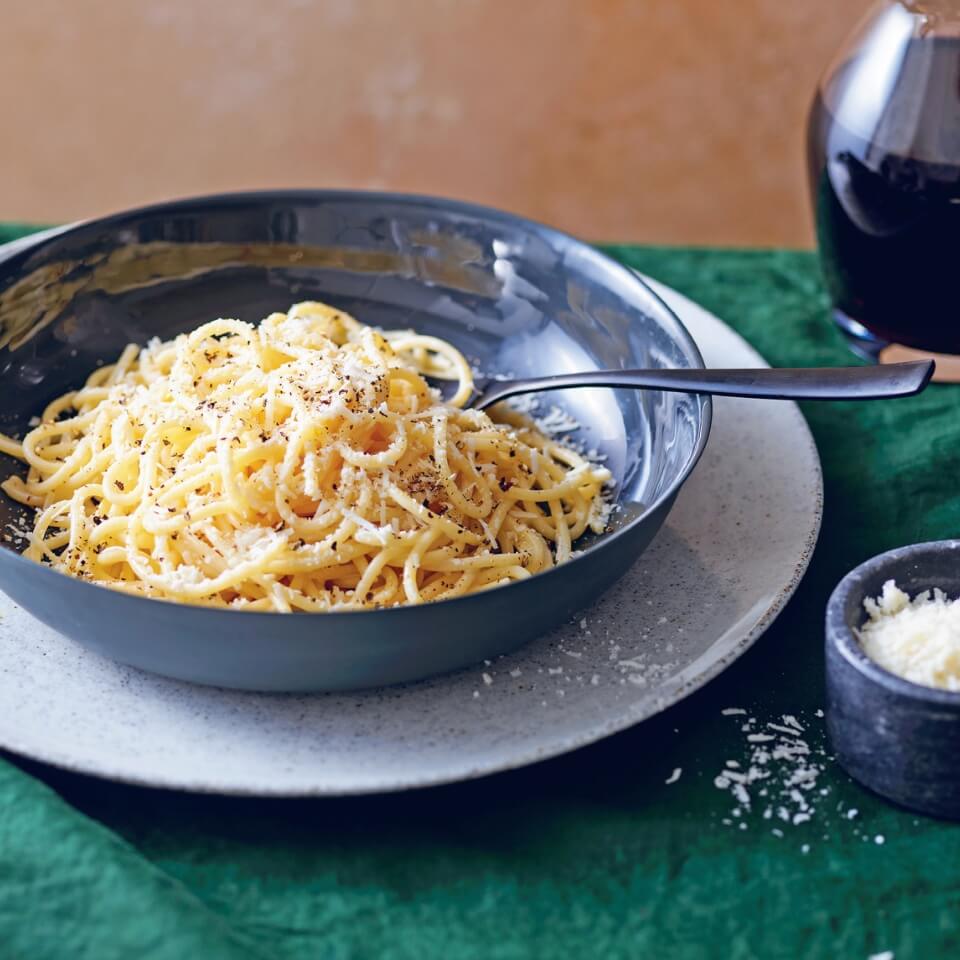
Cacio e pepe is an iconic and traditional Roman pasta dish known for its simplicity and bold flavours. Made with just three ingredients— pecorino Romano cheese, black pepper and pasta— it relies on technique to transform humble elements into a creamy, peppery sauce. The cheese melts into starchy pasta water, coating each strand of pasta in rich, tangy goodness. This is a timeless comfort food that captures the essence of Roman culinary minimalism.
GET THE RECIPE
Planning a trip to France?
Read our vegan guide to Paris for the trendiest, and most delicious places to eat in the city of lights.